Choosing the right hamster feeder is one of the highest-leverage decisions a pet retailer makes: the feeder type decides how often food spoils, how often cages smell, and how many complaints come back. This guide compares the three feeder materials found in wholesale catalogs — ceramic, plastic, and stainless steel — and shows which one tropical pet shops in Southeast Asia should stock first, second, and never.

Why Feeder Material Matters in Tropical Climates
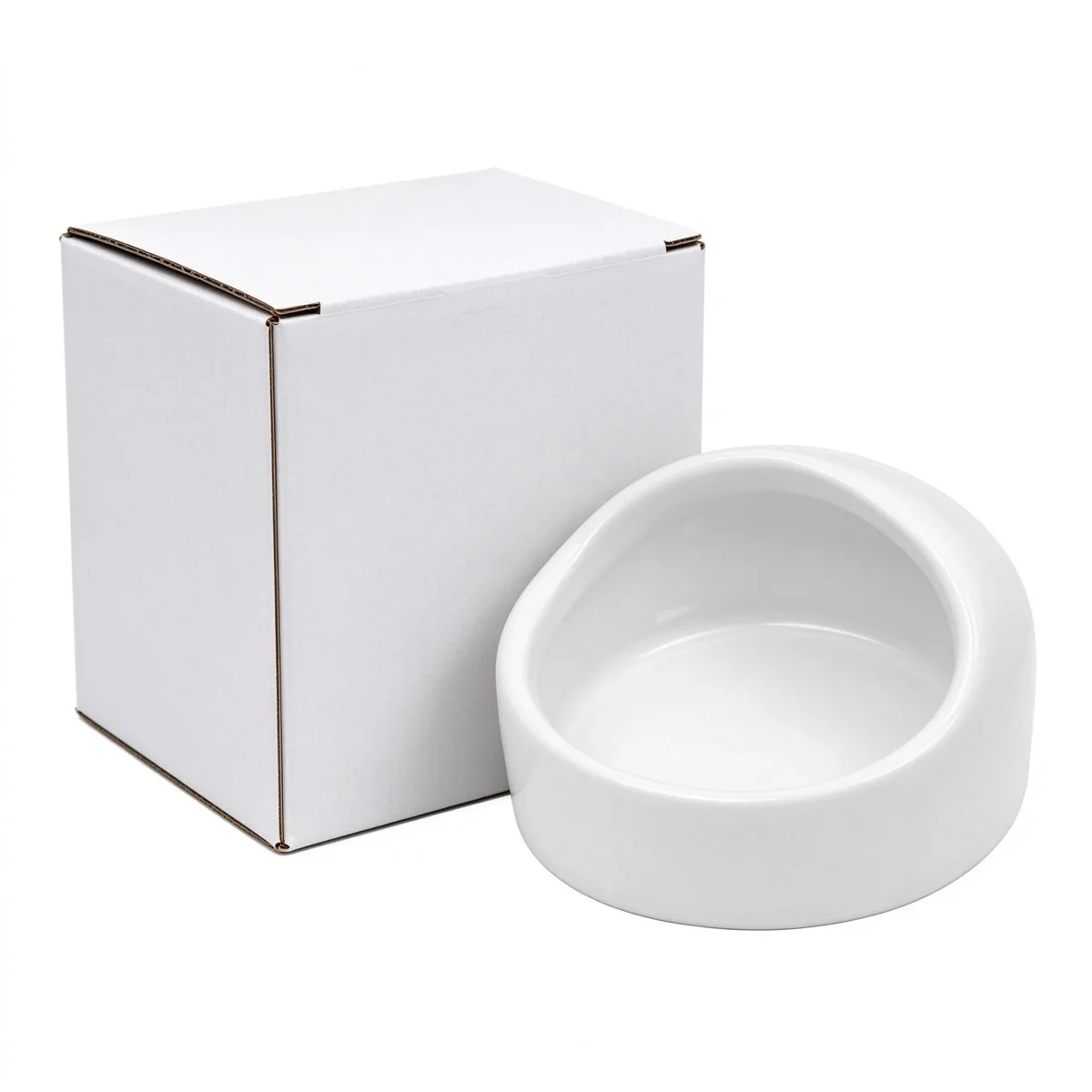
At 30°C+ with high humidity, food left in an open bowl spoils faster and attracts insects within hours. Plastic absorbs odors and scratches, and scratches harbor bacteria. Stainless steel is hygienic but light, so Syrian hamsters often flip it. Glazed ceramic is heavy, non-porous, and stays cooler to the touch: the reason weighted ceramic bowls remain the best-selling feeder category across Malaysia, Thailand, and Indonesia.
Ceramic vs Plastic vs Stainless Steel
Ceramic: anti-tip weighted base, dishwasher safe, chew-proof glaze, no odor absorption. Downside: breakable if dropped on tile. Pack with foam for shipping.
Plastic: cheapest unit cost and unbreakable, but scratches discolor within months and it retains ammonia smell. Suitable only as a budget tier.
Stainless steel: the most durable and easy to sanitize, but light bowls tip unless they have a ring base. Best for rabbit and chinchilla cages rather than dwarf hamsters.
What to Stock: A Simple Three-Tier Assortment
For a new or expanding hamster section we recommend: 50% ceramic anti-tip bowls as the core SKU, 30% stainless steel for multi-pet cages, 20% plastic as the entry price point. Pair the feeding corner with a humidity monitor to know when leftover food must be changed daily instead of every other day. It is a small accessory that prevents the most common “food smelled bad” complaint.
Wholesale Terms for Feeders
All feeder SKUs ship factory-direct with MOQ 100 pcs and mixed orders welcome: combine feeders, litter trays, and housing in one order as long as the total reaches $500. Lead time is 15-25 business days after deposit, 3-5 days for samples. Request photos of the exact glaze color and base weight before your first bulk order.
Matching Feeder to Cage Type
A single Syrian in a plastic base cage will turn a light bowl over during one night run, so the weighted ceramic unit belongs there. A multi-pet cage holding a rabbit or a chinchilla is better served by a stainless bowl that lifts out for washing every day. Plastic stays useful in starter kits where the customer is buying on price, and it should leave the counter with a note that scratches mean replacement, since a scratched bowl holds ammonia smell.
Cleaning Routine by Material
Each material fails in a different way, so the cleaning routine you hand over should follow the material in front of the customer.
- Ceramic wipes down or goes through the dishwasher, and the glazed surface does not hold odour between washes.
- Stainless takes hot water and a dry cloth, with the rim checked for dents that trap residue.
- Plastic goes on the replacement list once scratches appear, which is the point where cleaning stops helping.
Signs a Feeder Needs Changing
Food that smells by the second day, a wet patch under the feeding corner, and bedding clumped around the bowl are the three complaints that trace back to the feeder first. Selling the replacement bowl together with a digital hygrometer turns that call-back into a small care kit instead of a warranty conversation.
Pairing Feeders With the Rest of the Cage
The feeding corner usually sits beside the litter tray in a finished layout, so the two are frequently bought in the same visit. Offer the bowl, the corner tray and the glazed hut as a matching set: one material, one cleaning routine, and one shelf story for the customer to repeat at home. The set also gives staff a reason to walk the customer past the housing row before the counter.
The anti-tip ceramic bowl anchors the set, and the water bottle guide covers the fourth item in the feeding corner.
Shelf Notes That Close the Sale
Write one line per tier on the shelf edge and keep it to the decision the customer is actually making. For the ceramic bowl the line is the weighted base and dishwasher safety. For stainless it is daily washing in a multi-pet cage. For plastic it is the entry price and the replacement interval once scratches appear. Staff should be able to read the three notes in sequence and walk a customer from the budget tier up to the core SKU without memorising a script, and a customer comparing two units on the shelf gets the same answer whether a manager or a new employee is standing there.
Material claims are easier to defend with a document behind them. The US Food and Drug Administration publishes guidance on food-contact materials, and SGS testing services describes the analyses that produce a report for that claim.
Related Wholesale Products
- Corner Litter Tray Toilet (T01) — keeps the feeding and toilet zones apart in one cage corner
- Ceramic Cooling Hut (H01) — the matching glazed ceramic housing line
- Digital Thermometer Hygrometer (E01) — tracks the cage humidity that accelerates food spoilage
Ready to order? Contact us for wholesale pricing on ceramic, plastic, and stainless steel hamster feeders.