
Setting up a hamster cage for a tropical climate changes several default decisions at once: substrate depth, ventilation, enrichment materials, and feeding layout. This guide walks pet retailers and new cage-kit builders through a tropical-ready setup that keeps bedding dry, toys safe, and hamsters active at 30°C+, and shows which wholesale SKUs belong in a complete cage kit.
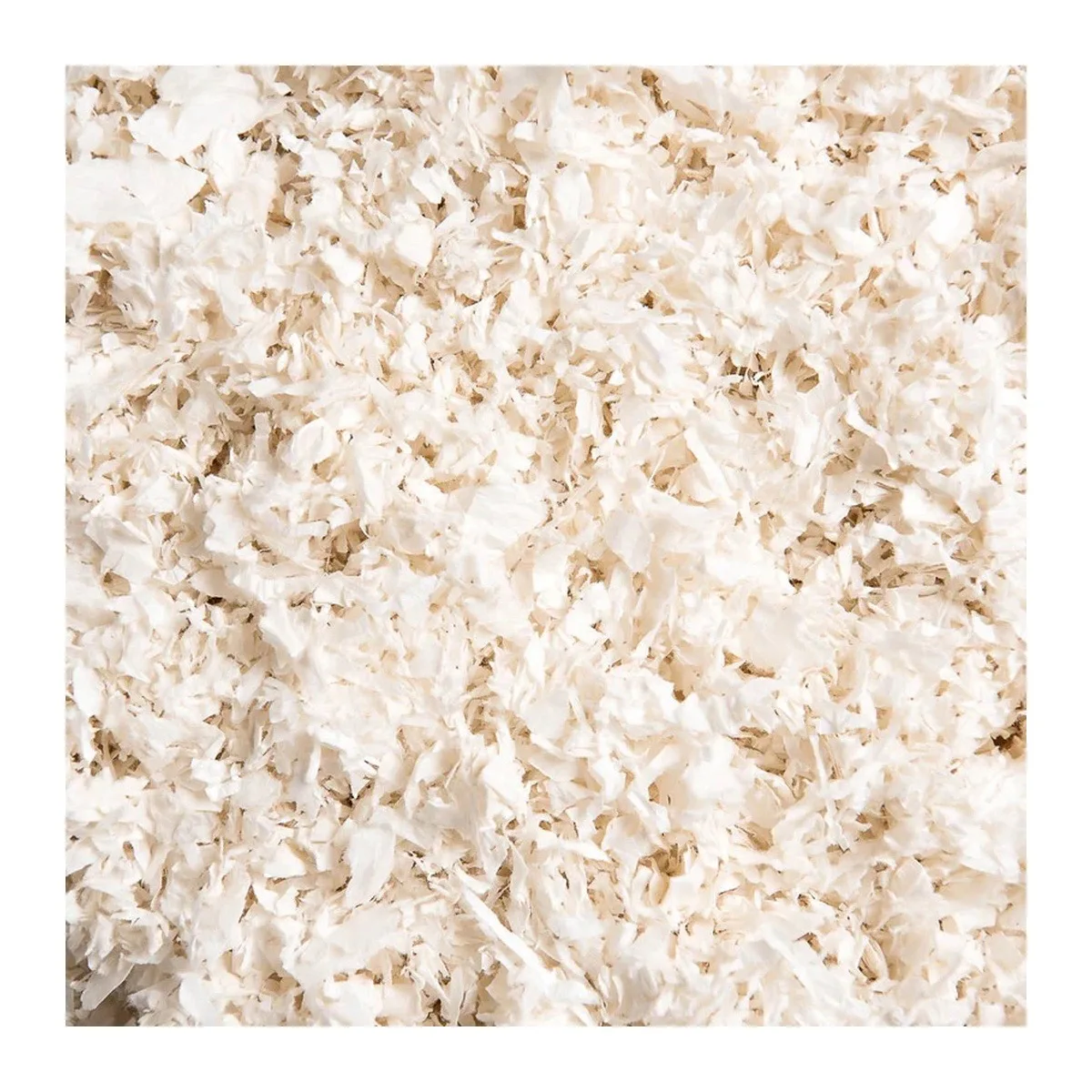
Step 1: Substrate and Absorbency First
Start with 4-6cm of dust-free paper bedding in the main area. In high humidity, paper beats wood shavings because it absorbs roughly three times its packed volume and does not hold phenols. Refresh fully every 5-7 days; spot-clean daily in wet season.
Step 2: Separate the Four Zones
A tropical cage needs distinct feeding, toilet, exercise, and rest corners. A corner litter tray keeps the toilet zone fixed, a low feeding bowl holds the daily portion, and the wheel sits opposite the nest so night running does not disturb sleep. Zoning cuts cage cleaning time roughly in half, which retail staff can use as a talking point on the floor.
Step 3: Enrichment That Survives Heat and Humidity
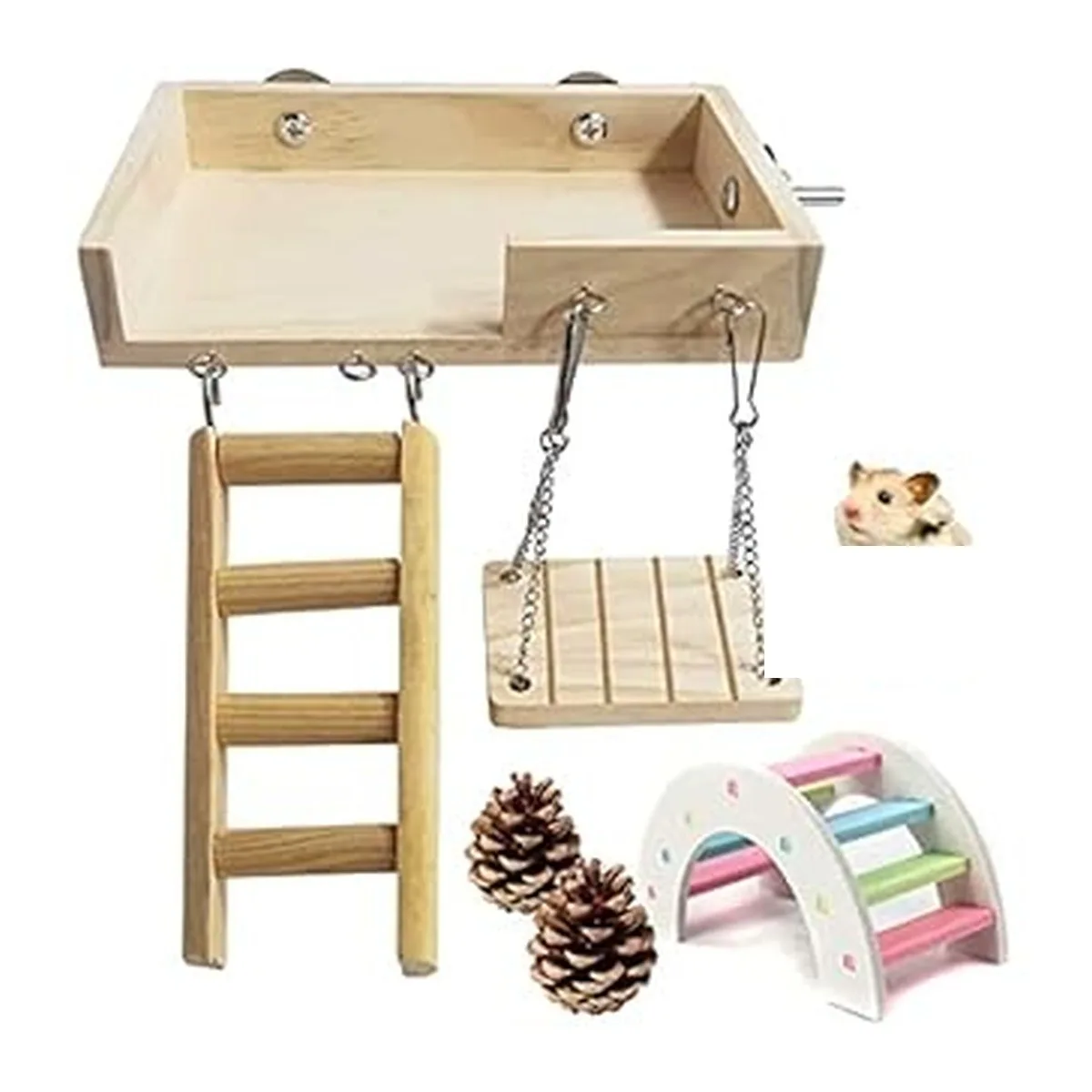
Add a wooden enrichment set — platform, ladder, swing, tunnel — plus apple wood chew toys. Kiln-dried, unpainted wood stays safe in humidity, and replaceable chew items drive repeat purchases every 4-6 weeks. Avoid dyed ropes and glued composites in humid climates; adhesives soften and fibers fray.
Step 4: Rest and Hydration
Finish with a glazed ceramic hideout (stays 3-5°C cooler) and a drip-free water bottle mounted at lip height. Check daily that the ball valve runs free. Fine bedding dust is the number one cause of sticky bottles.
Wholesale Terms for Cage Kits
MOQ 100 pcs per SKU with mixed orders welcome ($500 total). Build cage kits from bedding, litter tray, chew toys, wooden enrichment, ceramic hideout, and water bottle to lift average order value: lead time 15-25 business days, samples 3-5 days.
A Bill of Materials for One Cage Kit
Six lines build a complete tropical cage, and staff can quote the kit from a single card instead of assembling a recommendation from memory.
- Dust-free paper bedding laid at 4-6cm depth, one bag per cage.
- Corner litter tray fixed in the toilet corner so the zone never moves.
- Wheel sized to the breed, 17cm for dwarves and 21cm for Syrians.
- Glazed ceramic hideout placed in the rest corner.
- Drip-free water bottle mounted at lip height and checked daily.
- Wooden toy set plus apple wood chew sticks for the enrichment corner.
All six sit inside the 100 pcs per SKU minimum with mixed orders welcome to a $500 total, which means a shop can stock the kit without breaking the order rules on any single line.
Humidity Control Between Deep Cleans
A full bedding refresh runs every 5-7 days with daily spot cleaning through the wet season, and one hygrometer reading a week tells the customer whether the cage is running wet or dry. Chew items rotate every 4-6 weeks, which turns the enrichment corner into a repeat purchase instead of a one-time add-on to the first sale.
Setup Mistakes Staff See Most
- Bedding spread too thin to absorb, which fails the moment humidity rises.
- Wheel placed beside the nest, so night running disturbs the animal’s sleep.
- Bottle nozzle sitting above lip height, forcing the hamster to stretch to drink.
- Glued or dyed toys added for colour, since adhesives soften and fibres fray in humidity.
Dust-free paper bedding is the base layer the whole kit depends on, and the corner litter tray holds the one zone that has to stay fixed for the rest of the layout to work.
Pricing the Kit at Retail
List the kit as a named bundle on the shelf card with the six lines printed on it and a discount against buying each item separately. The bundle lifts the average transaction while leaving each single SKU priced where it sells on its own, so the standard line does not lose its margin to the offer.
Seasonal Adjustments to the Same Kit
The six lines do not change through the year, but the quantities around them do. Wet-season cages take a second bag of bedding into the household so the owner can refresh between weekly cycles, and the chew rotation shortens because a bored animal works through wood faster. Before March, add the heat-care items to the kit card: the ceramic hideout already sits on it, and the hygrometer and bath sand are the two additions staff should mention first. In the holiday window the same card becomes a gift bundle with the care instructions printed inside, so a single bill of materials supports three selling seasons without a redesign.
Handing the Kit Over at the Counter
Walk the customer through the six lines in cage order rather than shelf order: base layer first, then the fixed toilet corner, then exercise, rest, water and finally enrichment. That sequence matches how the cage gets built at home, and it makes the care card that ships with the kit read the same way. Ask where the cage will stand before you finish, since a unit placed near a window or an air conditioner changes the bedding refresh interval you should recommend on the spot.
Every rule in this build has a welfare reason behind it. The World Organisation for Animal Health publishes the international animal health framework, while the RSPCA publishes the practical small-animal husbandry guidance staff can quote when a customer asks why.
Related Wholesale Products
Ready to order? Contact us for wholesale cage-setup pricing.