
Hamster teeth grow continuously, roughly 2-3mm per week. Without appropriate chewing surfaces, teeth can overgrow, causing pain, infection, and inability to eat. Chew toys are essential.
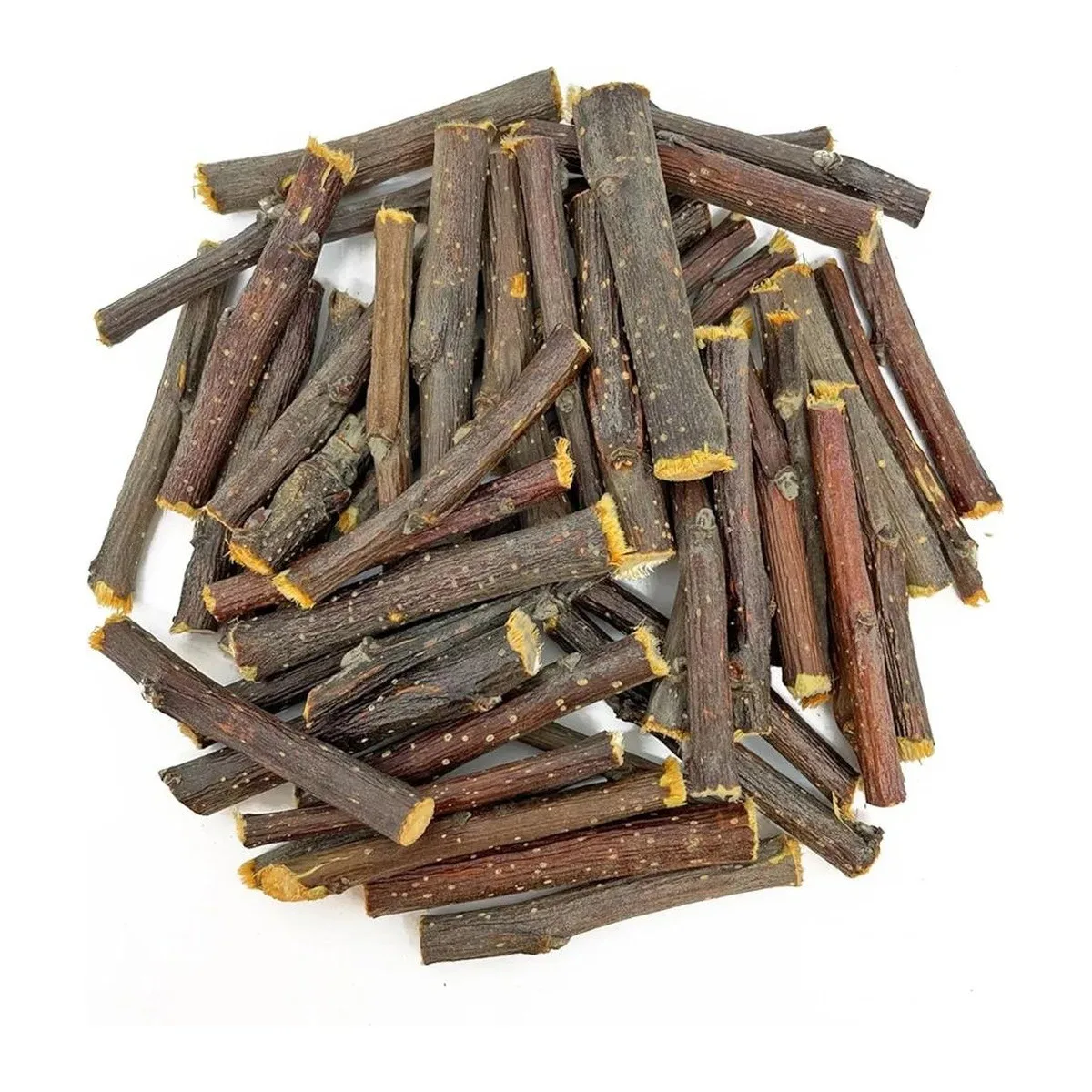
Why Apple Wood?
Apple wood is the gold standard for hamster chew toys. Hard enough to wear teeth effectively, mildly sweet taste encourages chewing, dense grain resists splintering, and it’s completely safe for small animals. Harvested from apple orchards, kiln-dried, and sanded smooth.
Other Safe Woods
Pear wood: similar hardness and safety to apple. Willow: softer, better for dwarf hamsters and elderly hamsters. Birch: budget-friendly alternative with good durability. All must be untreated and kiln-dried.
Woods to Avoid
Cedar and non-kiln-dried pine: contain phenols toxic to small animals. Cherry wood: contains cyanogenic glycosides. Any wood treated with paint, stain, or chemical preservatives.
Chew Toy Shapes
Sticks: simple, affordable, easy to place anywhere. Rings and blocks: more engaging, encourage active chewing. Combined sets: stick + ring + block in one package offers variety and better value.
Health Benefits Beyond Teeth
Chewing provides mental stimulation and reduces stress. Hamsters in enriched environments with chew toys show fewer stereotypic behaviors (bar chewing, excessive grooming). Chewing also helps maintain jaw muscle strength.
Retail Recommendations
Stock apple wood chew toys as your premium line ($1-2 wholesale per set). Offer birch or willow as mid-range alternatives ($0.50-1 wholesale). Include mineral blocks as a supplement option for calcium needs. Create a “Chew Toy Variety Pack” bundling 3-4 different shapes.
Rotating Chew Toys
Advise customers to rotate chew toys every 1-2 weeks. A new shape or texture re-engages the hamster’s interest. This also creates repeat purchase opportunities for your store.
Conclusion
Apple wood chew toys deliver the best combination of safety, durability, and palatability. Stock the 3-piece set (stick, ring, block) as your core SKU and expand from there.
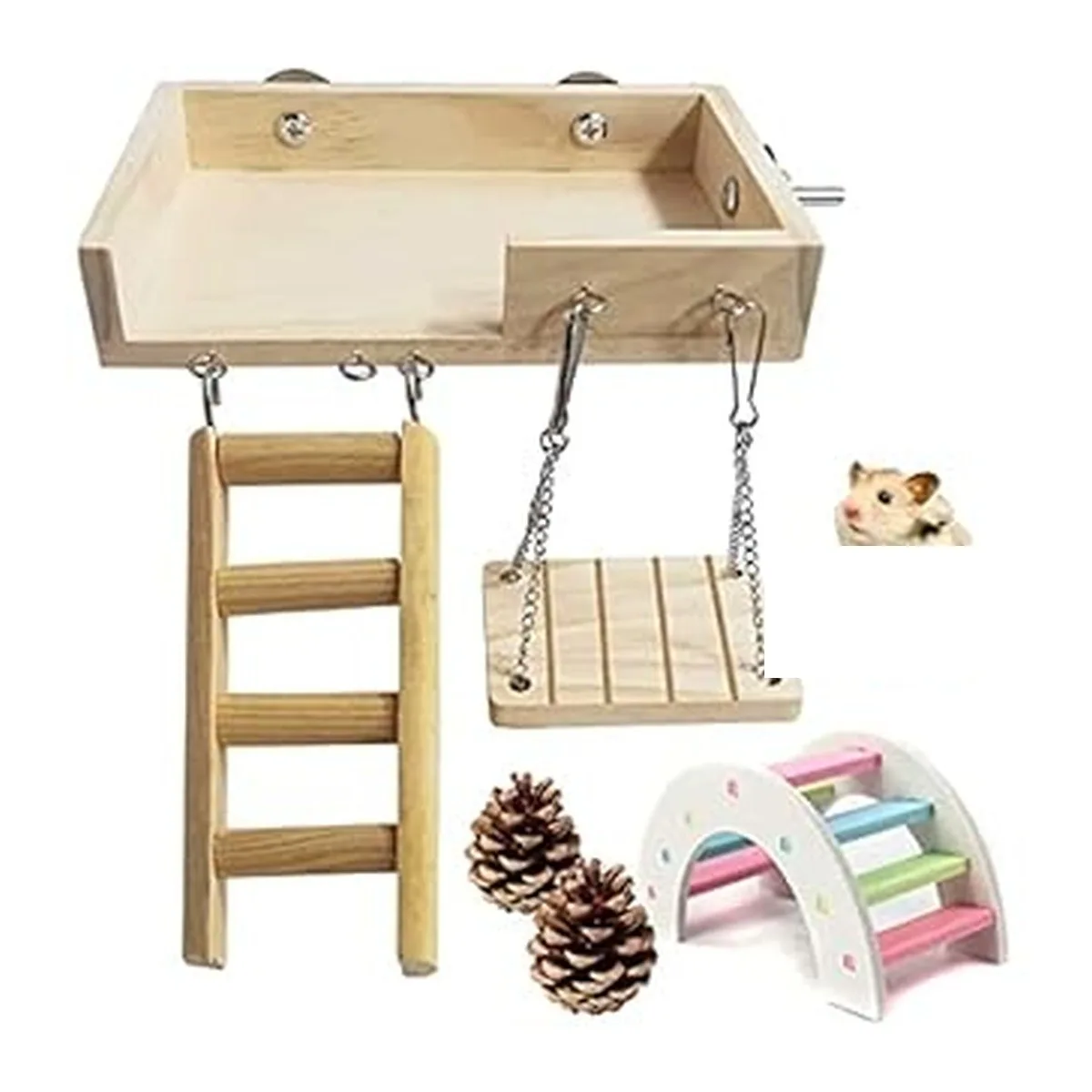
Browse our apple wood chew toys and wooden enrichment sets — chew sticks, ladders, swings and tunnels — or contact us for wholesale pricing.
What to Check on a Chew Toy Sample
Pick up a stick and look at the end grain: kiln-dried apple wood shows a tight, even surface with no dark zones that hint at moisture. Press a fingernail, because healthy wood resists rather than denting. Sanding matters as much as the species, since a rough edge puts customers off before the hamster has an opinion. Then read the label or spec for the three exclusions that matter: no paint, no chemicals, no glue. A three-piece set with a stick, a ring, and a block gives the buyer variety in one pack and gives you a single carton to stock instead of three, and the apple wood chew set carries exactly that composition.
Answering the Safety Question Every Customer Asks
The safe list is short and the avoid list is shorter. Apple, pear, willow, and birch all work when untreated and kiln-dried. Cedar and unprocessed pine carry phenols that are unsafe for small animals, cherry carries cyanogenic compounds, and anything coated in paint, stain, or preservative is excluded regardless of species. Staff who give both lists in one breath sound certain, and certainty is what a worried buyer is shopping for. Keep a printed card with the two columns next to the chew display so it answers the second customer while you help the first.
Turnover, Rotation, and Reorder Rhythm
Chew items are consumables wearing a durable-goods price tag. Advise a rotation every one to two weeks, because a fresh shape restarts interest and a finished one has done its job. For your own shelf that cadence produces a predictable reorder pattern, faster for owners of two or three animals than for single-cage households. Bundle three or four shapes into a variety pack and the rotation becomes a single purchase decision instead of a series of small ones, and the variety pack is the SKU worth featuring at the counter. The wooden enrichment set extends the same rotation logic to platforms, ladders, and swings that outlast the chew sticks beside them.
Merchandising Chews With the Cage Kits
Chews sell best where the cage story is told. Place the variety pack inside the starter bundle alongside the bedding, wheel, and hideout, and put single sticks at the till as an add-on that costs little and fits any basket. A small sign stating that teeth grow continuously and need wearing down converts a novelty purchase into a care essential, and essentials survive slow months better than novelties. Watch which shapes move in your shop; when rings outsell sticks, the assortment note for the next order writes itself. Where a customer asks what happens if the teeth are left unchecked, staff can point at animal health material published by the World Organisation for Animal Health instead of improvising a medical claim.
Pricing the Chew Line
Apple wood sets sit at the premium end around $1-2 wholesale per set, with birch or willow variants at $0.50-1 for the budget shelf and mineral blocks as a calcium add-on rather than a replacement. Three tiers cover the wall without crowding it, and the middle tier gives staff somewhere to move a customer who flinches at the premium without dropping to the cheapest option. Reorder chew stock monthly, since the items leave the shelf on the same schedule as bedding and keep the counter warm between bigger purchases.