More retail buyers across Southeast Asia ask for sustainable options, and the hamster aisle has two honest ones: recycled paper bedding and untreated wood toys. This guide shows what makes these products sustainable, what to avoid in eco claims, and how to stock the tier without raising your costs.
Recycled Paper Bedding
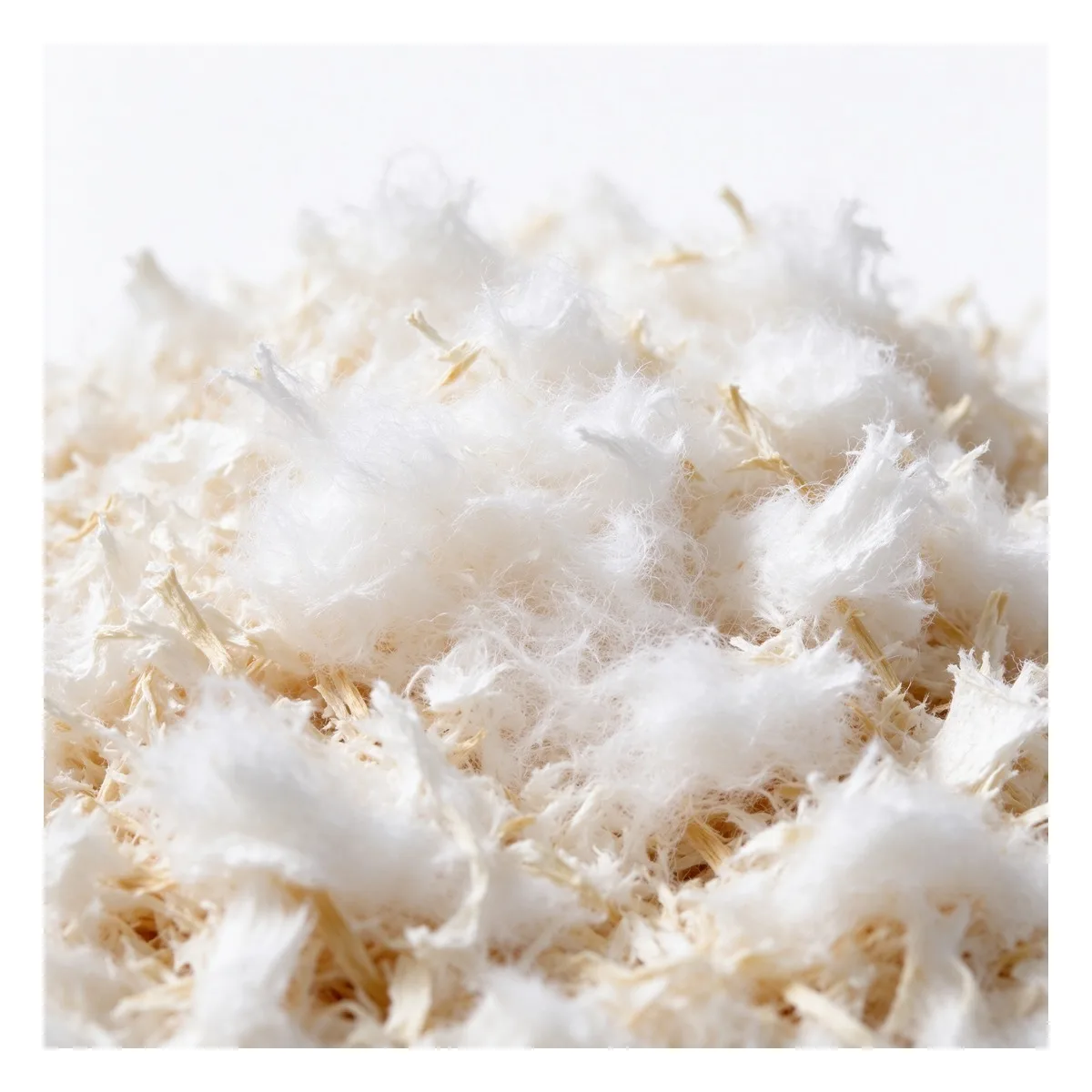
Paper bedding made from recycled newspaper or virgin cellulose fiber holds three to four times its packed weight in moisture and stays low on dust, which suits humid climates where wet bedding turns into a bacterial problem fast. The dust-free paper line in this catalog carries 99% dust removal and 3x expansion per kilogram, and it ships vacuum-sealed for sea freight. For eco-minded customers it replaces wood shavings without the phenol worries that come with pine and cedar.
Untreated Wood Chew Toys
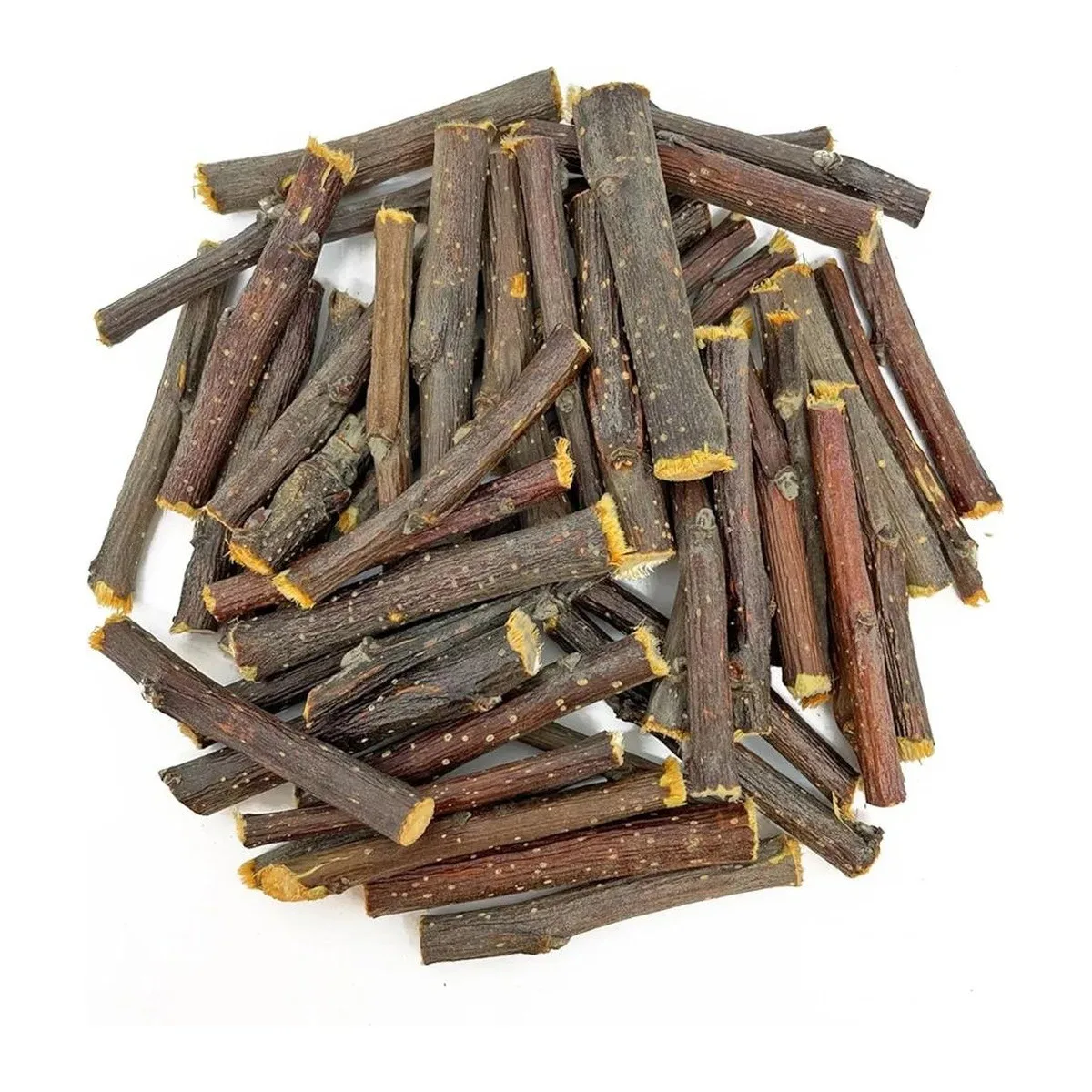
Chew toys only stay sustainable if nothing toxic is added: apple wood and kiln-dried birch or willow are safe, while paint, stain, dyed ropes and glued composites are not. The apple wood chew set and wooden toy platform in this catalog are kiln-dried and sanded without chemical treatment, and untreated wood also composts at the end of its life. Wood toys sit in the same price band as plastic alternatives: about $0.50-2 wholesale per set depending on the piece count.
What to Avoid in Eco Claims
Skip products that cannot explain their materials. Untreated is the test that matters: if a chew toy carries dye or glue, it is neither safe for hamsters nor honest on a shelf label. For bedding, recycled content and dust control are the two facts worth printing on your signage; certifications vary by factory, so ask your supplier for the test report instead of repeating unverified claims.
Stocking the Sustainable Tier
A practical starting shelf is one paper bedding size, one chew toy variety pack and one wooden toy set, all at MOQ 100 pcs per SKU with mixed orders to a $500 total. Wholesale bedding runs $1-2.50 per kilogram and wood sets about $1-2, so the eco tier can hold the same margins as the standard range. Display recycled paper bedding next to the standard option with a two-line comparison of absorbency and dust, and younger buyers in city stores tend to pick the sustainable one.
Questions to Put to the Factory
Four questions separate a claim that can be printed on a shelf sign from one that has to stay off it. Send them together, since a supplier that answers all four in a single reply is usually ready to document the tier properly.
- What is the recycled content of the bedding, and how is the fibre processed?
- Is the wood kiln-dried and left untreated, with no paint, stain or glue?
- Does the bedding ship vacuum sealed so one carton lasts the route?
- Can the supplier provide the test report covering the material?
Signage That Sells the Tier
Two lines on the shelf card are enough to carry the sale: recycled content and dust control for the bedding, untreated kiln-dried wood for the chew set. Both facts can be checked on the unit in front of the customer, so nothing printed on the sign needs a caveat and staff do not have to defend it at the counter.
Keeping Eco Claims Verifiable
Only print what the test report or the material specification supports. Recycled content, dust control and an untreated finish are all visible or documented, while broader environmental wording is neither, so it stays off the label. When a claim cannot be checked on the shelf, ask the supplier for the document that backs it before the sign goes to print.
How the Tier Behaves in Humid Warehousing
Paper bedding still picks up moisture from the air like any other absorbent product, so the recycled line needs the same sealed storage, first-in-first-out rotation and twice-weekly wet-season check as the standard range. Sustainability leaves the storage rule untouched, and a bag that leaves the shelf damp will cost more than the tier ever earned.
The bedding and litter category holds the consumable side of the tier, and the apple wood chew guide explains why that material suits humid cages.
Positioning the Tier on the Shelf
Place the recycled bedding directly beside the standard option so the two can be compared without a member of staff present, and keep the untreated wood set one bay away from the painted plastic toys where the difference in finish is obvious by eye. Stock depth for the tier should start at one bedding size, one chew variety pack and one wooden set rather than a full parallel range, because a narrow tier that turns over builds evidence faster than a wide one that sits. Reorder on sell-through, and expand the tier only when a second size or variety has already been asked for by name.
Environmental wording is regulated in several markets, so the claim should match a published source. The US Environmental Protection Agency publishes guidance on waste prevention and recycled content, and ISO issues the environmental labelling standards used to phrase such claims.
Related Wholesale Products
- Paper Bedding Dust-Free 1kg (B01) — recycled-base, low dust, vacuum sealed
- Apple Wood Chew Toys (A01) — untreated, kiln-dried
- Wooden Toy Set Platform Ladder Swing (T02) — untreated wood enrichment
Ready to add a sustainable tier to your shelf? Contact us for wholesale pricing on recycled bedding and untreated wood toys.