
Tropical warehouses age stock faster than temperate ones. Bedding and sand pick up moisture from the air, clumps form, and shelf stock that looked fine at delivery turns into customer complaints. This guide covers the storage habits that keep hamster consumables dry from arrival to sale.
Where Moisture Enters the Shelf
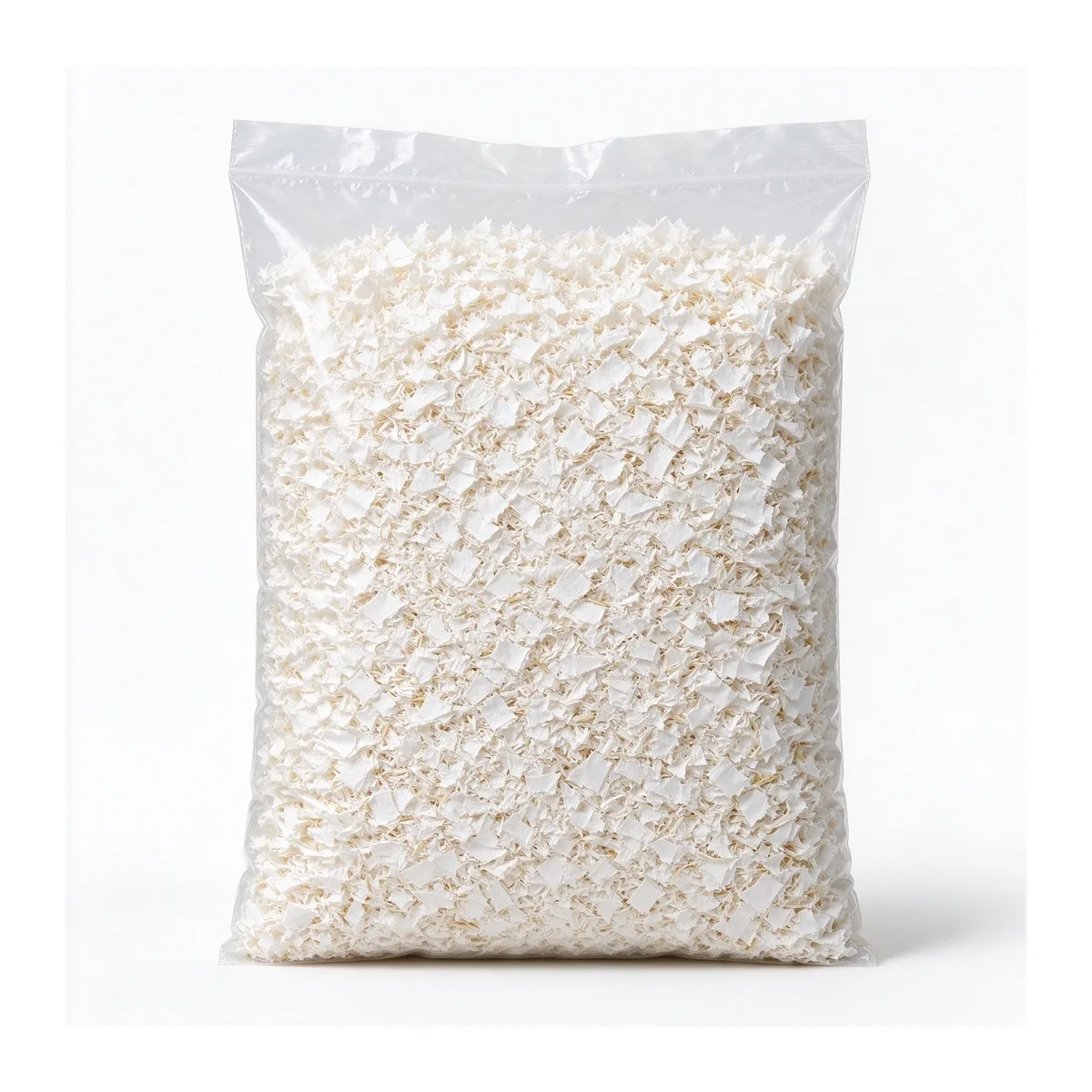
Paper bedding absorbs three to four times its packed weight in moisture, which is exactly why it also drinks up warehouse humidity. Above 60% relative humidity, poorly sealed bags gain weight, compact, and go bad fast once a cage gets wet. Bath sand behaves differently: it absorbs moisture from the air and clumps, which shortens its usable life on an open shelf.
Receiving and Storage Habits
Keep deliveries off the floor on pallets or racking, with airflow on all sides of the carton. Close cartons between trips to the sales floor with clips or tape, and move opened master cartons into sealed bins. Unused bath sand belongs in a sealed container. A digital hygrometer on the shelving unit costs little and shows when the aisle crosses 60%.
Rotation and Display
Run first-in-first-out: newer cartons behind older ones, date stickers on the back of each case. Rotate display bags every two weeks so the bag on the shelf is never the oldest stock in the store. In the wet season, check paper bedding twice a week for clumping at the bag opening, the first visible sign of moisture damage.
Packaging That Survives the Route
Sea freight adds weeks of humidity exposure before stock reaches the shelf. Paper bedding in this catalog ships in vacuum-sealed moisture-barrier bags, and bath sand is packed in sealed inner liners inside the carton. If a shipment arrives with clumped sand or soft bedding, photograph it before shelving and contact the supplier while the carton details are still fresh.
Setting a Receiving Rule
Inspect the outer carton before it enters the stockroom. Crushed corners, water marks along the lower edge, and a bag that feels soft at the top of the carton are the three signs worth photographing on the spot. Photograph anything questionable with the carton label in the frame, then contact the supplier while the shipping reference is still fresh in everyone’s file.

Racking Layout That Keeps Air Moving
Moisture control is mostly a layout decision made once and then followed. Set the bay up so that every carton can be added or removed without breaking the pattern, and the habit survives staff turnover.
- Pallets or racking under every carton, with nothing resting on the floor.
- A gap on all four sides of each carton so air passes through the bay.
- Opened master cartons moved into sealed bins on the same day they are opened.
- Leftover bath sand in a sealed container, never back in the retail bag.
- A digital hygrometer at shelving height, read at the same time each week.
What to Do When a Shipment Arrives Damp
Photograph the carton and the bag before anything is shelved. Move affected cartons to the driest part of the stockroom and open them for air rather than stacking them closed. Report the carton number and the shipping reference to the supplier the same day, then hold the batch out of display until every bag has been checked for clumping.
Reducing the Humidity Load at Source
Ask for vacuum-sealed moisture-barrier bags on paper bedding and sealed inner liners on bath sand before the order ships, since both are standard on this catalogue’s sea freight packing. Fewer opened cartons on the sales floor also helps: move one display bag out of the master carton and keep the rest sealed until the shelf actually needs refilling.
The bedding and litter category collects the consumables this routine protects, and the eco-friendly supplies guide covers how recycled paper bedding behaves in the same storage conditions.
A One-Sheet Stock Rotation Routine
Print a shelf sheet with one row per carton and three columns: received date, opened date, and initials on each check. The receiving clerk fills the first two on arrival, the sales floor fills the third whenever a master carton is opened, and the stockroom signs the row when the carton is emptied. The sheet costs nothing to run and it answers the two questions that come up after a complaint: how long the goods sat in the building, and which carton the affected bag came out of. A buyer who can name both closes the supplier conversation immediately instead of arguing about storage conditions.
Training the Habit With New Staff
The routine only survives if the next person on shift was told what to do. Keep a single page above the stockroom door listing the pallet rule, the gap rule, the sealed bin rule and the weekly hygrometer reading, then walk a new employee through one full receiving cycle before they work the bay alone. Sign-off on that page costs a few minutes and prevents the slow drift back to cartons stacked on the floor that happens in every busy warehouse.
Damp stock raises an animal-health question and an air-quality question at the same time. The World Organisation for Animal Health publishes the international animal health framework that national rules are written against, while the US Environmental Protection Agency publishes plain guidance on indoor damp and mould that works just as well for a stockroom.
Related Wholesale Products
- Paper Bedding Dust-Free 1kg (B01) — low-dust, high-absorbency sheet for humid markets
- Volcanic Bath Sand 500g (B03) — absorbs oil and tolerates humidity better than standard sand
- Digital Thermometer Hygrometer (E01) — one unit for the shelf, one for demoing to customers
Ready to order? Contact us for wholesale pricing on bedding and bath sand built for tropical storage.