
A tropical climate does not pause pet care across the year, and shop owners who plan around the seasons sell more while their customers’ hamsters stay healthy. This calendar sets the monthly care cadence for tropical cages and the inventory pulses that follow it, for pet shops across Southeast Asia.
Monthly Care Cadence
Four rhythms repeat every month in a 30C+ climate. Bedding gets a full refresh every 3-4 days in hot weather, compared with weekly in temperate regions, and a quick spot check daily during the wet season. Bath sand is replaced every 3-5 days, sooner when it clumps from humidity. Chew toys rotate every 1-2 weeks to keep the animal engaged, which also starts a repeat-purchase cycle for your shelf. One hygrometer reading a week tells you whether the cage side of the business is running wet or dry, and customers appreciate the reminder.
Hot Season: March to May
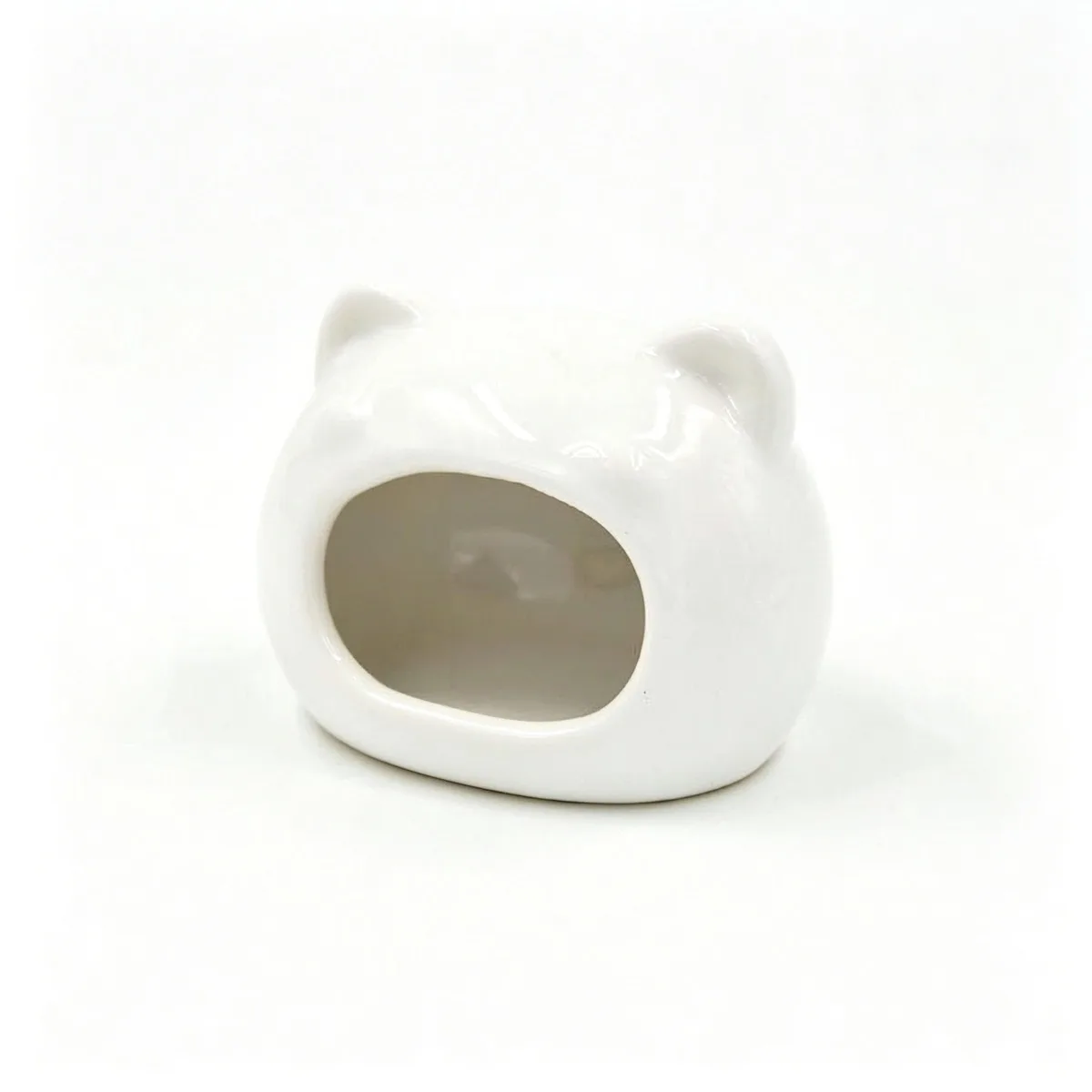
Cooling products drive the year’s sharpest demand spike, up 40-60% over baseline. Two to three weeks before March, raise the shelf count of ceramic cooling huts and volcanic bath sand, and move the heat-resistant wheel line into the endcap position. Stock arrives in 15-25 business days after deposit, so purchase orders should go out in January to land with margin to spare.
Year-End: November to December
Starter kit purchases jump in the holiday window. Pre-bundle a cage, wheel, bedding bag and hideout as a ready-made gift set with a printed care card inside, and keep the bundle priced as a discount against the four items bought separately. Order the bundle components in October; mixed orders reach the $500 minimum easily when four SKUs travel together.
Turning the Calendar into Orders
The pattern is simple: place a mixed order roughly one month ahead of each seasonal peak, using the 100 pcs per SKU minimum as the building block rather than a barrier. Mid-year is maintenance season, so replenish bedding, sand and chew toys at normal cadence while cooling products wait in the warehouse for February. This rhythm keeps stock-outs rare in the hot season and cash flow steadier through the rest of the year.
Building the Care Card
Print one card per cage kit with four lines on it: bedding refresh interval, bath sand replacement interval, chew toy rotation, and the weekly hygrometer reading. A written interval is easier for an owner to keep than one remembered from a conversation at the counter, and the card gives staff a reason to check in when that customer returns for the next bag.

Shop Tasks Due at the Start of Each Month
- Check display depth of the cooling SKUs before the month opens.
- Confirm bedding and chew toy shelf depth after the previous month’s sell-through.
- Run one hygrometer demonstration per week on the shop floor.
- Log which SKUs sold through so the next order lands a month ahead of the peak.
Four Numbers Worth Tracking
Bedding units sold per month, cooling SKUs sold per month, chew toy repeat rate, and the week each peak actually begins. After one full year that sheet removes the guesswork from every purchase order, because it shows which line is a steady repeater and which one is seasonal before the deposit is committed.
Customer Conversations by Season
Before March the conversation opens on heat, with the ceramic hut, the water bottle and a hygrometer reading as the three products in front of the customer. Mid-year it turns to maintenance: bedding interval, sand replacement, chew rotation. The holiday window opens on gifting, where the bundled cage set travels with a printed care card inside. The product list barely changes across the three, and the calendar tells staff which framing to start with.
Volcanic bath sand is the second SKU behind the cooling hut in the March to May window, and the tropical climate collection keeps the seasonal block together on one shelf.
Using the Calendar to Plan Staff and Cash
Two peaks and one maintenance stretch shape the working year, so the rota and the buying plan can both be written in advance. March to May needs extra floor coverage because cooling questions peak with the weather, and the purchase order supporting it goes out in January. October is the buying month for gift-set components, which keeps December stock levels out of the holiday cash crunch. Mid-year sits in maintenance, with normal bedding, sand and chew replenishment and no large commitments, which is the window to renegotiate terms or audition a new supplier before the next peak begins.
Reading the Calendar After One Full Year
Once twelve months are recorded, compare the peak week you predicted with the peak week that arrived and adjust the order month by the difference. Repeat that correction each year and the purchase order lands with margin to spare instead of against the deadline. The same sheet also flags a line whose peak has moved, which is usually the moment to widen the display before the season starts rather than chase stockouts through it.
Two published sources back the welfare side of the calendar. The World Organisation for Animal Health publishes the international animal health framework, and the RSPCA publishes practical small-animal care guidance that fits the monthly cadence above.
Related Wholesale Products
- Digital Thermometer Hygrometer (E01) — the weekly humidity reading for your care card
- Ceramic Cooling Hut (H01) — the March-to-May hero SKU
- Paper Bedding Dust-Free 1kg (B01) — the steady monthly repeater
Need the full catalog to plan your seasonal buys? Browse all 13 wholesale products or read about HamsterSource and contact us for a mixed-order quote.