
Hamsters don’t use water baths. They clean themselves by rolling in fine sand. A proper bath sand setup is essential for hamster hygiene, especially in tropical climates where humidity causes skin issues.
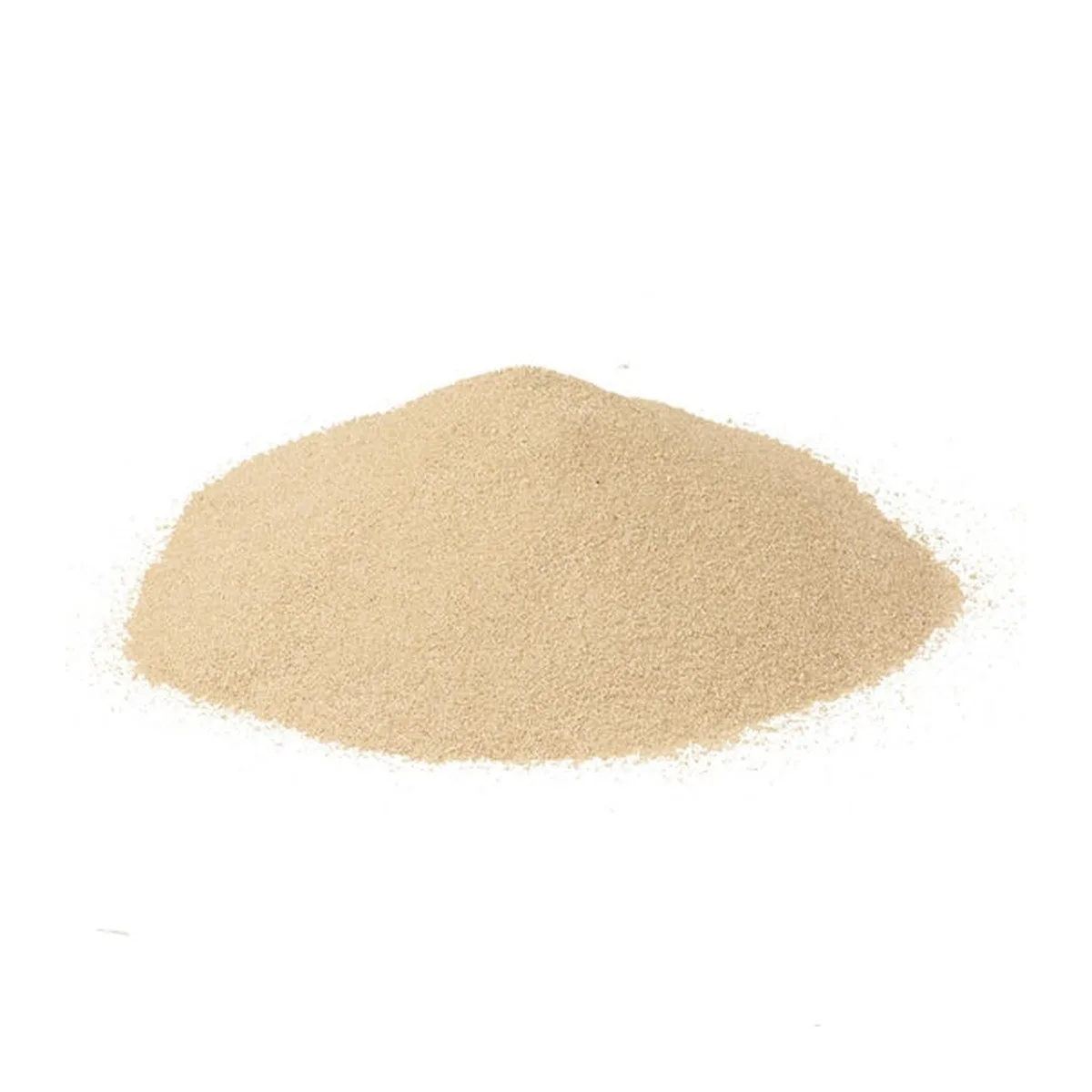
Types of Bath Sand
Natural sand (reptile-grade): quartz-based, washed and kiln-dried. Safe, affordable, and widely available. Volcanic sand: fine-grained volcanic rock that absorbs oils well. Natural antibacterial properties. Cosmetic/scented sand: infused with dried herbs or light fragrance. Appeals to customers wanting a spa-like experience. Avoid calcium sand. Veterinarians discourage it as it can cause digestive issues if ingested.
Benefits
Oil absorption: removes excess sebum from fur. Skin health: prevents moisture buildup that causes fungal infections. Mental stimulation: rolling and digging is natural enrichment behavior. Coat quality: regular sand baths keep fur clean, fluffy, and odor-free.
How to Set Up
Choose a shallow ceramic or glass dish (15×15cm). Fill with 2-3cm of bath sand. Place in the cage away from the sleeping area (hamsters prefer to keep sand out of their nest). Replace sand every 3-5 days or when soiled.
Tropical Climate Tips
In high-humidity environments (60%+), sand absorbs moisture from the air and clumps faster. Change sand more frequently during rainy season. Volcanic sand has better moisture absorption than standard sand, making it ideal for Southeast Asian climates. Store unused sand in a sealed container to prevent moisture absorption.
Common Mistakes to Avoid
Using beach sand (contains bacteria and salt). Using calcium sand (can cause digestive blockages). Not changing sand frequently enough (leads to bacterial growth). Placing sand dish next to food (hamsters kick sand everywhere).
Retail Opportunity
Sell bath sand in 1kg bags as an add-on next to bedding. Offer a “Sand Bath Kit” (sand + ceramic dish) for 15-20% more than individual items. Display a hamster enjoying a sand bath in your store. It’s a powerful visual selling point.
Conclusion
A sand bath is one of the easiest and most rewarding additions to any hamster cage. Stock volcanic sand for tropical markets and bundle with ceramic dishes for maximum margin.
Browse our hamster bedding & sand supplies including volcanic bath sand, or contact us for wholesale pricing.
Choosing a Dish and Placing It Well
A shallow ceramic or glass dish around 15\u00d715cm gives an adult Syrian room to roll without kicking sand over the rim. Fill it 2-3cm deep; deeper beds waste product because the hamster digs to the bottom anyway. Place it opposite the nest and away from the food bowl, since sand and food mix fast and contaminated grain becomes a daily complaint. In a corner placement the dish doubles as a digging station, and a heavy ceramic base stops enthusiastic rolls from walking the dish across the cage floor. Pack sizes pair naturally: the 500g volcanic bath sand sits beside the dish, while owners running several cages ask for the larger bag.

Sand Quality Checks Before You Shelf It
Pinch a handful and let it fall: rounded granules in the 50-100 mesh range flow freely, while floury dust that hangs in the air will return as customer complaints. Smell the sample, because a mineral odor is normal and a chemical or perfume note is not. Wet a spoonful and watch whether it clumps into hard pellets or stays loose, since that behavior tells you how quickly a cage serving will spoil. Confirm the net weight on the label matches the pack you are paying for, and check that the lot number on the carton matches the one on the case, so a future complaint can be traced to a batch. Volcanic sand that passes those checks earns the shelf space its premium price implies, and a hygrometer beside the display lets you show buyers the humidity numbers behind the clumping problem.
Running a Sand Bath on a Retail Demo Cage
A working demo sells the category better than a poster. Set a small cage with bedding, a hideout, and the sand dish, then refresh the sand on a visible schedule. Customers ask what the dish is for, staff answers in one sentence, and the product moves without a pitch. Keep a jar of clean sand and a jar of used sand on the shelf for comparison; the colour difference explains the replacement cycle faster than words. Photograph the demo once the hamster settles in the dish, because new owners rarely see the behaviour described and the picture answers the question before it is asked. Bundle the 500g can with a dish at a small premium so the purchase decision arrives pre-made.
Common Failure Modes to Train Out
Four mistakes cover most sand bath complaints. Beach sand arrives with salt and bacteria that no amount of rinsing makes appropriate. Calcium sand gets eaten and can block the gut, which is why veterinarians discourage it. A dish left unchanged past five days becomes a damp substrate that grows what it was meant to prevent. A dish placed beside the food bowl ends up as topping on the evening meal. Train the four answers together so staff stop improvising. Where customers push past the basics into animal health questions, pointing at standards published by the World Organisation for Animal Health keeps the reply grounded in an international reference rather than a shop assistant\u2019s memory.
Pack Sizes and Shelf Math
The 500g can sits at an accessible entry price, while a 1kg bag beside the bedding row captures buyers who run multiple cages. Whichever pack leads, price the per-gram difference on the shelf tag so the larger size sells itself to the multi-pet household, and keep one opened can for the demo cage instead of opening sale stock. Bath sand reorders alongside bedding on the same monthly rhythm, which makes the two products worth facing on the same fixture.