Building a profitable hamster section starts with stocking the right products. Based on sales data from Southeast Asian pet markets in 2026, here are the must-have items every retailer needs.
The Essential Product Lineup
Every hamster section needs five core product categories: housing (cages and hideouts), bedding, exercise equipment (wheels), feeding accessories, and enrichment items. Within each category, offer at least two price tiers: a budget option and a premium upgrade.
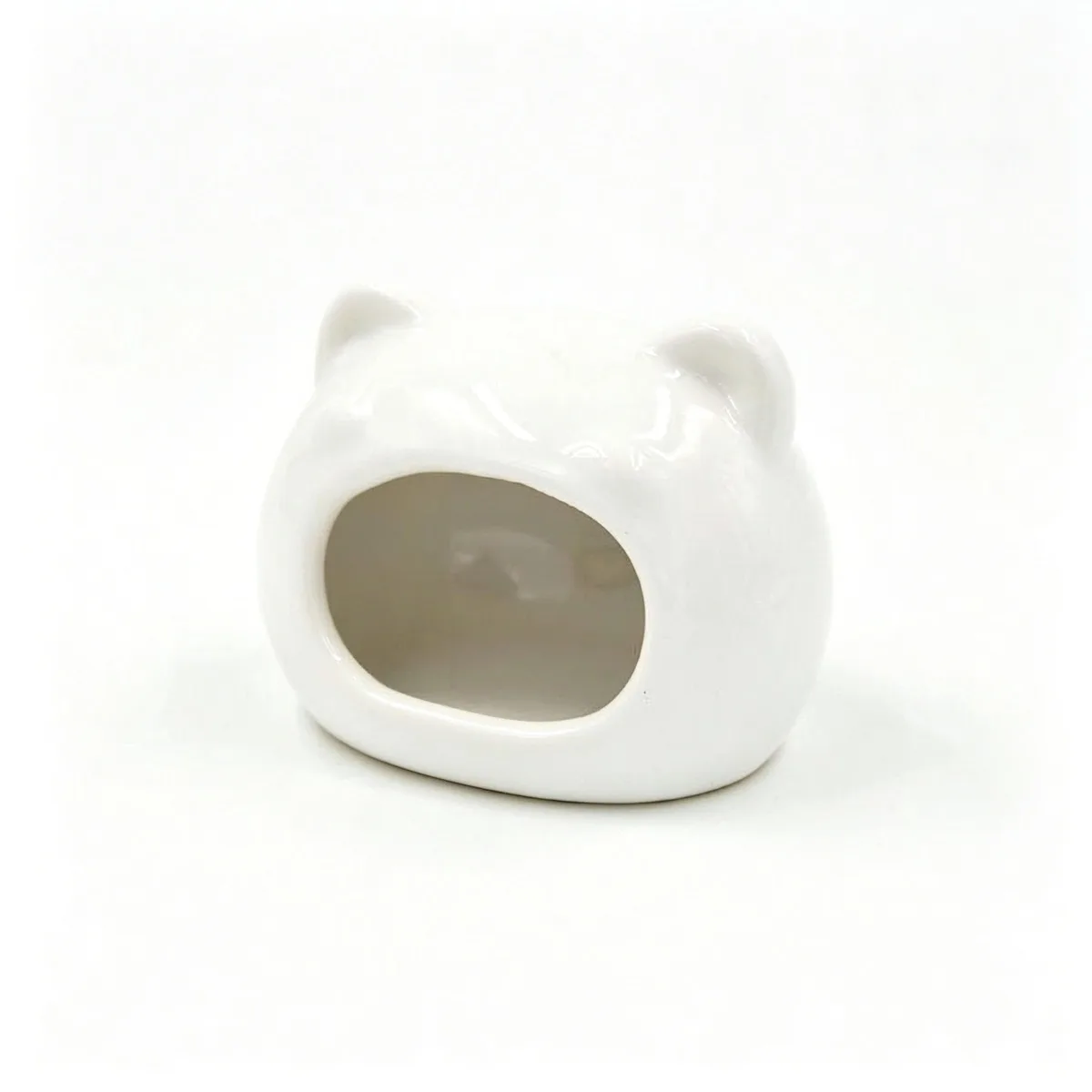
Top Seller #1: Ceramic Cooling Hut
In tropical markets (30°C+), the ceramic cooling hut is the undisputed champion. Sales data shows it outsells other hideouts 3:1 in Malaysia, Thailand, and Indonesia. The ceramic material provides natural cooling comfort. Ceramic absorbs heat slowly, keeping the interior cooler than plastic or wood alternatives. Stock dome, mushroom, and cottage designs. Price range: $3-6 wholesale, $12-18 retail.
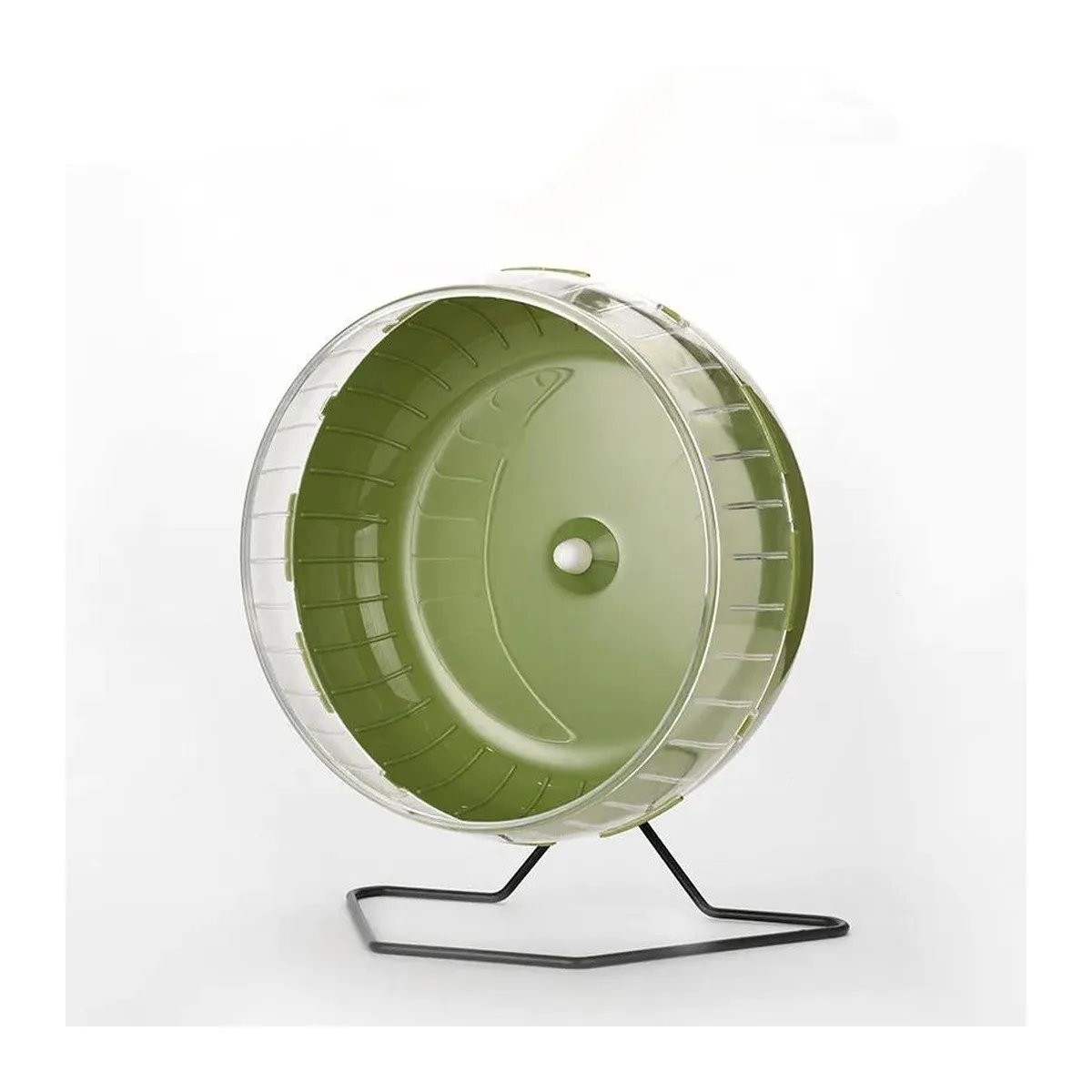
Top Seller #2: Silent Exercise Wheel
Noise complaints are the number one reason for wheel returns. Silent wheels with sealed ball-bearing axles solve this problem completely. Offer both 21cm (for Syrian hamsters) and 17cm (for dwarf species). Heat-resistant ABS plastic is essential for tropical climates. Cheaper wheels warp in 30°C+ heat. Price range: $2-5 wholesale, $8-15 retail.
Top Seller #3: Dust-Free Paper Bedding
Paper bedding dominates the bedding market due to its superior absorbency and low dust. In humid tropical climates, moisture control is critical. Wet bedding promotes bacterial growth within hours. Offer 1kg bags as entry size and 5kg bags for repeat customers. Price range: $1-2.50 wholesale, $5-8 retail.
Pricing Strategy for Maximum Margin
Use the keystone markup model: wholesale cost × 2.5 = retail price. For premium items like ceramic huts, you can push to × 3. For commodity items like bedding, × 2 may be necessary to stay competitive. Always display a “Compare at” price to create perceived value.
Display Tips That Drive Sales
Place your best-selling ceramic hut at eye level on the endcap of the hamster aisle. Pair it with a silent wheel and bedding bag to create an instant “starter kit” impression. Use clear signage: “Best Seller” and “Staff Pick” tags increase conversion by 15-20%.
Inventory Mix Recommendation
For a new hamster section, start with: 3 cage/hideout SKUs, 2 bedding SKUs, 2 wheel SKUs, 2 feeder/bottle SKUs, and 2-3 accessory SKUs. Total initial investment: $500-1,000 at wholesale prices. This 11-13 SKU assortment covers 90% of customer needs without overwhelming your shelf space.
Seasonal Considerations
In Southeast Asia, the hot season (March-May) drives cooling product sales up 40-60%. Stock extra ceramic huts and volcanic bath sand before summer. The year-end holiday season (November-December) sees a spike in starter kit purchases. Pre-bundle gift sets with cage, wheel, bedding, and hideout.
Conclusion
The best hamster products for pet shop inventory combine high demand, strong margins, and climate suitability. Focus on ceramic cooling huts, silent wheels, and dust-free bedding as your core trio, then expand with feeders, chew toys, and bath sand as your section matures.
Browse our products:
Ceramic Cooling Huts — #1 seller for tropical markets
Silent Hamster Wheels — 17cm & 21cm, heat-resistant
Hamster Bedding & Litter — paper, volcanic sand
All Wholesale Hamster Products — 13 products, 7 categories
Ready to order? Contact us for wholesale pricing.
How Many Units to Open With
Opening inventory works out faster from shelf space than from revenue targets. Plan bedding first: 50-100 bags of 1kg paper bedding covers the refill cycle without tying up cash, because bedding is the item customers come back for. Wheels split between 21cm for Syrian hamsters and 17cm for dwarf breeds, with a few 30cm units if you also keep chinchillas or hedgehogs. Ceramic hideouts and water bottles can start at 20-30 pieces each while you learn your own sell-through. Every line above still follows the same wholesale rule: 100 pcs per SKU with mixed orders welcome to a $500 total, so an opening order can spread across five or six SKUs instead of deep stocking two.
Track the results through the first reorder cycle and move proven lines up to the 500-piece tier where pricing steps down 5%. The dust-free paper bedding usually earns that step first because it sells on a schedule rather than on impulse.
Building a Shelf Plan That Answers Common Questions
Customers in a hamster aisle ask the same three things: which wheel fits a Syrian, which bedding keeps odor down, and what a complete starter set costs. Put the answer on the shelf tag. A sign that reads “Syrian hamsters need 21cm, dwarfs run correctly in 17cm” removes the hesitation that sends people back to their phones. Place a digital thermometer hygrometer next to the bedding row and let it display tropical humidity numbers while you talk about absorbency; the demo costs nothing and makes the 1kg bag easier to justify. Pair a hut, wheel, bottle, and bedding bag on one hook as a starter kit priced 10-15% below the single-item total, then give that bundle the endcap instead of a single hero product.
Retailers planning across borders should watch regional integration news as well. The ASEAN economic community programme shapes how goods, standards, and duties are treated between member states, and the summary pages there are a fast way to spot a change that affects your import paperwork.
What to Reorder Monthly and What to Watch
Treat bedding, bath sand, and chew toys as monthly reorders because they are consumed, and treat wheels, huts, and bottles as quarterly reorders driven by new cage owners. Hot season from March to May lifts cooling products, so pull ceramic huts and volcanic bath sand forward by a few weeks rather than waiting for the shelf to empty. Watch two numbers on your own report: the percentage of transactions that include a bundle, and the number of repeat bedding purchases per customer. Both say more about the section than a raw revenue figure does, because they show whether the assortment is working or only the discount is.