
The global pet hamster market is growing at 8-12% annually, driven by urbanization and the rise of small-pet ownership in Asia. Starting a hamster products business offers low startup costs, high margins, and a passionate customer base. Here’s your step-by-step guide.
Step 1: Choose Your Business Model
Three main models: (1) Retail—selling directly to pet owners via your own store or online shop. (2) Wholesale—supplying pet shops and distributors in bulk. (3) Private label—creating your own branded product line. Each model has different capital requirements and profit margins. Retail requires $2,000-5,000 startup. Wholesale needs $5,000-15,000. Private label starts at $10,000+.
Step 2: Research Your Market
Focus on your target geography. Southeast Asia (Malaysia, Thailand, Singapore, Indonesia, Philippines, Vietnam) has the fastest-growing pet market globally. Key advantages: 30°C+ climate creates demand for cooling products, English is widely spoken in business, and shipping from China by sea takes 7-15 days. Study competitors on Shopee, Lazada, and local pet shops.
Step 3: Source Your Products
China manufactures over 80% of the world’s small animal accessories. Start with platforms like 1688.com (Chinese domestic wholesale) or Alibaba.com (English export platform). Order samples from 3-5 suppliers before committing. Test quality, packaging, and communication responsiveness. For first orders, focus on products with a low, predictable MOQ (HamsterSource: 100 pcs per SKU).
Step 4: Set Up Your Sales Channel
For online sales, WordPress + WooCommerce gives you a professional storefront with minimal monthly costs. For marketplace sales, register on Shopee and Lazada. These platforms handle 35-45% of pet accessory sales in Southeast Asia. A B2B wholesale website works best for reaching pet shop owners and distributors.
Step 5: Build Your Brand
Create a memorable brand name, logo, and visual identity. Your brand should communicate trust and expertise. Use consistent colors, fonts, and messaging across all touchpoints. A simple brand guide (2-3 pages) ensures consistency as you grow.
Step 6: Price for Profit
Calculate your landed cost (product cost + shipping + customs + packaging). Apply a 2.5-3× markup for retail, 1.5-2× for wholesale. Always compare your prices to competitors. You don’t need to be cheapest, but you need to be competitive. Offer tiered pricing for bulk orders to encourage larger purchases.
Step 7: Market Your Business
Start with content marketing: blog posts, social media, and SEO. These channels cost nothing but time and compound over years. Build an Instagram and TikTok presence featuring hamster care tips and product showcases. Join hamster enthusiast communities on Facebook and Reddit. Provide value first, sell second.
Step 8: Scale Strategically
After your first 10-20 orders, analyze which products sell best. Double down on winners, cut underperformers. Add 2-3 new products per quarter to keep your catalog fresh. Consider private labeling your top sellers for higher margins and brand protection.
Common Mistakes to Avoid
Don’t stock too many SKUs upfront. Start narrow, expand based on data. Don’t skip quality testing. One bad review can sink a new brand. Don’t ignore shipping costs. They can kill your margins. Don’t try to compete on price alone. Compete on quality, service, and expertise.
Conclusion
Starting a hamster products business is accessible and profitable with the right approach. Focus on a small, curated product selection, source from reliable Chinese manufacturers, build a strong online presence, and let your expertise in hamster care differentiate you from generic pet suppliers.
Browse our wholesale hamster products or contact us for a quote to get started.
Writing Your First Purchase Order
A purchase order that prevents arguments lists SKU codes, unit prices, carton quantities, lead time, and the exact artwork for any private label work. Keep it to one page per supplier and attach the sample photos you approved. State the payment schedule explicitly, because first orders often run at 100% before production while repeat orders move to a 30% deposit with the 70% balance due before shipment. Note the sample window too: samples typically ship in 3-5 days at wholesale price plus actual freight, and they are your cheapest insurance against a disappointing bulk run. The wholesale policy page spells out these terms in writing, which makes a useful attachment when a supplier asks what you expect.
Choosing Your Opening Assortment
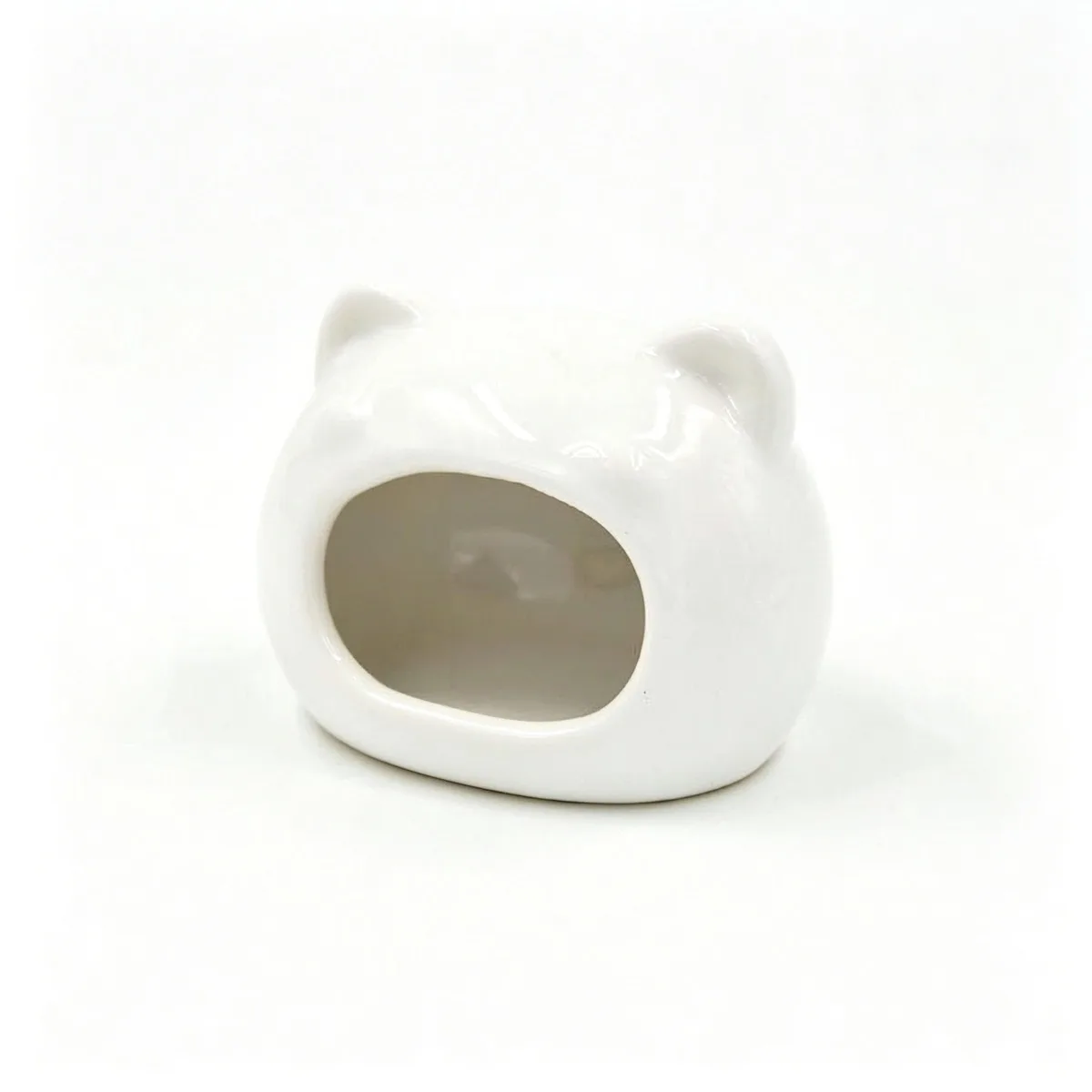
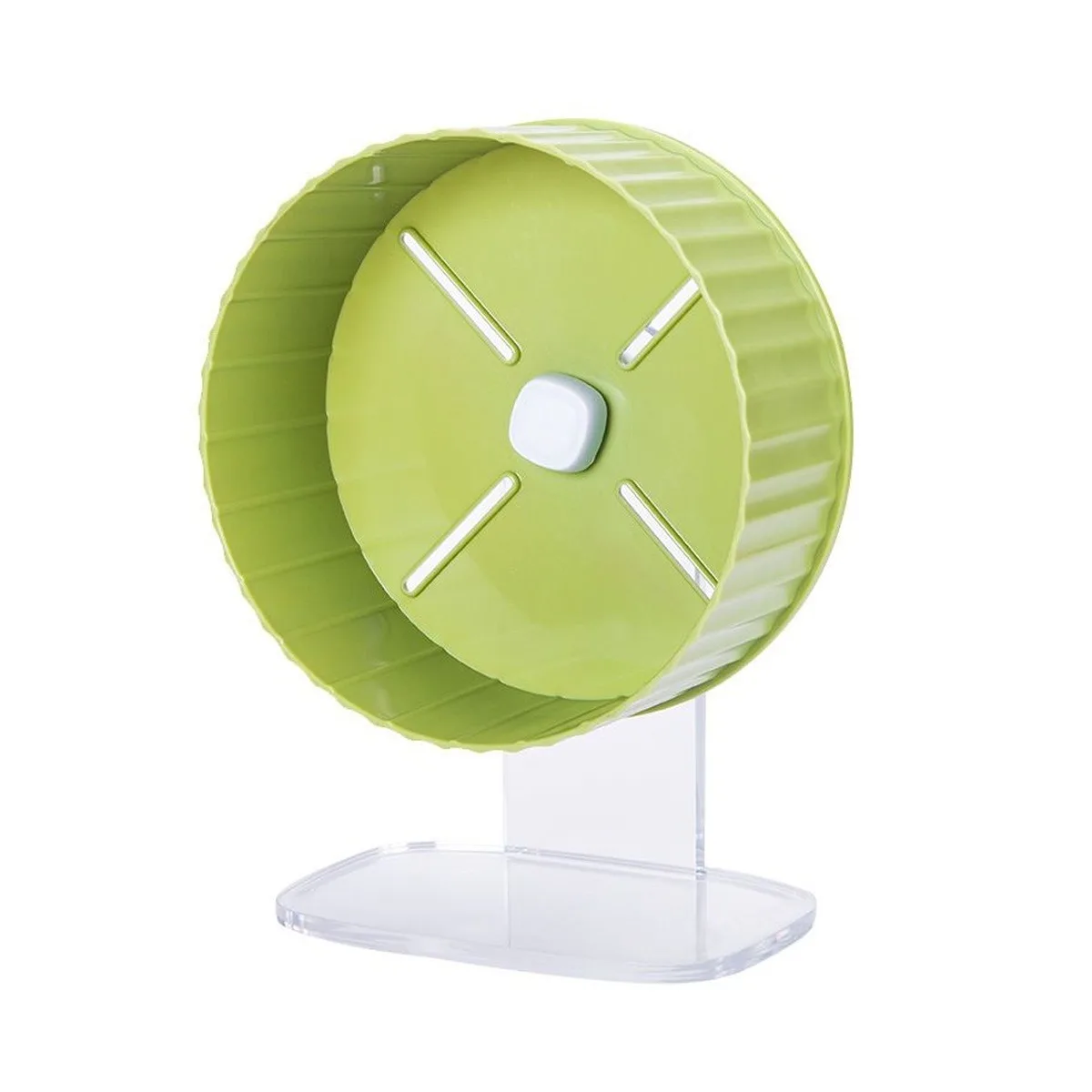
Resist the urge to list forty items in month one. An opening assortment of 11-13 SKUs covering five categories, housing, bedding, exercise, feeding, and enrichment, keeps the storefront readable and the reorder logic simple. Weight the mix toward consumables, because a customer who buys bedding once a month gives you twelve contact points a year while a wheel sells once. Ceramic hideouts and silent wheels carry the strongest margin story in tropical markets, and a corner litter tray plus chew toys round out the cage-kit conversation without much extra capital. When a line proves itself for two reorder cycles, add a related item rather than a new category.
Compliance Steps That Apply From Day One
Most hamster accessories need no product certification in Southeast Asia, which keeps the first shipment simple. Bedding, wheels, and sand clear without special approvals, while ceramic bowls and water bottles may need food-contact testing depending on the destination country. Request material safety documentation from your supplier at the quoting stage even where enforcement is relaxed, and file it with the commercial invoice. If you later sell into markets with stricter rules, accredited laboratory reports from SGS or equivalent bodies are recognised across borders, so one test can serve several destinations. Budget that paperwork into the landed cost formula alongside freight, duty, and clearance fees, and run supplier candidates through the evaluation checklist before any deposit is wired.
Setting Up a Simple Quality System
You do not need certification to run a disciplined process. Adopt three habits: keep every supplier document in one folder per SKU, photograph each approved sample, and record defects from customer returns in a single spreadsheet reviewed monthly. Those habits mirror the document-control thinking behind ISO management standards, and they make future audits or retail partnerships much easier to answer. When you later pitch independent pet chains, producing test reports, carton photos, and a defect log within a day signals a supplier-grade operation instead of a hobby resale.