
Import taxes can significantly impact your landed cost when sourcing hamster supplies from China to Southeast Asia. Understanding duty rates, HS codes, and country-specific regulations helps you price products accurately and protect your margins.
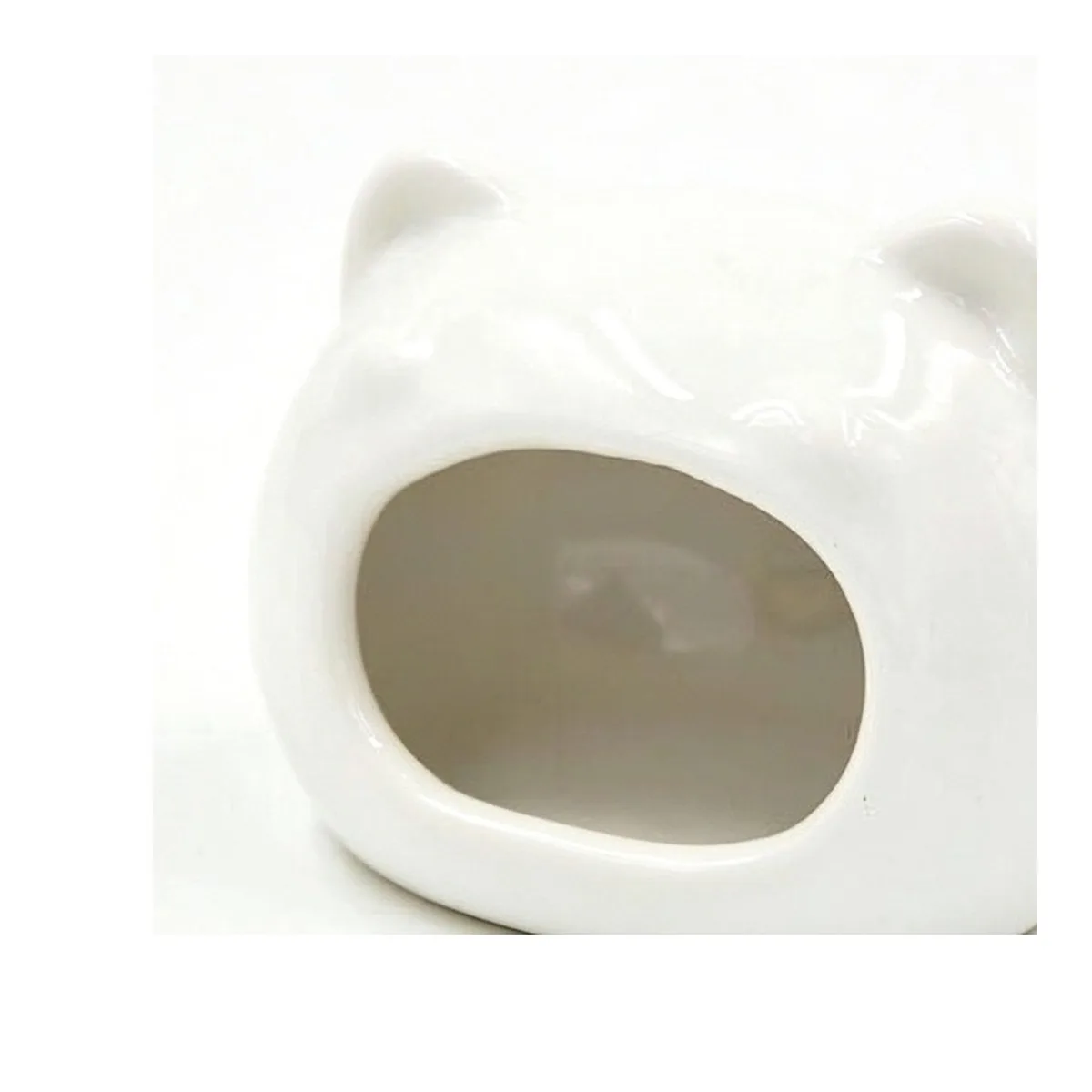
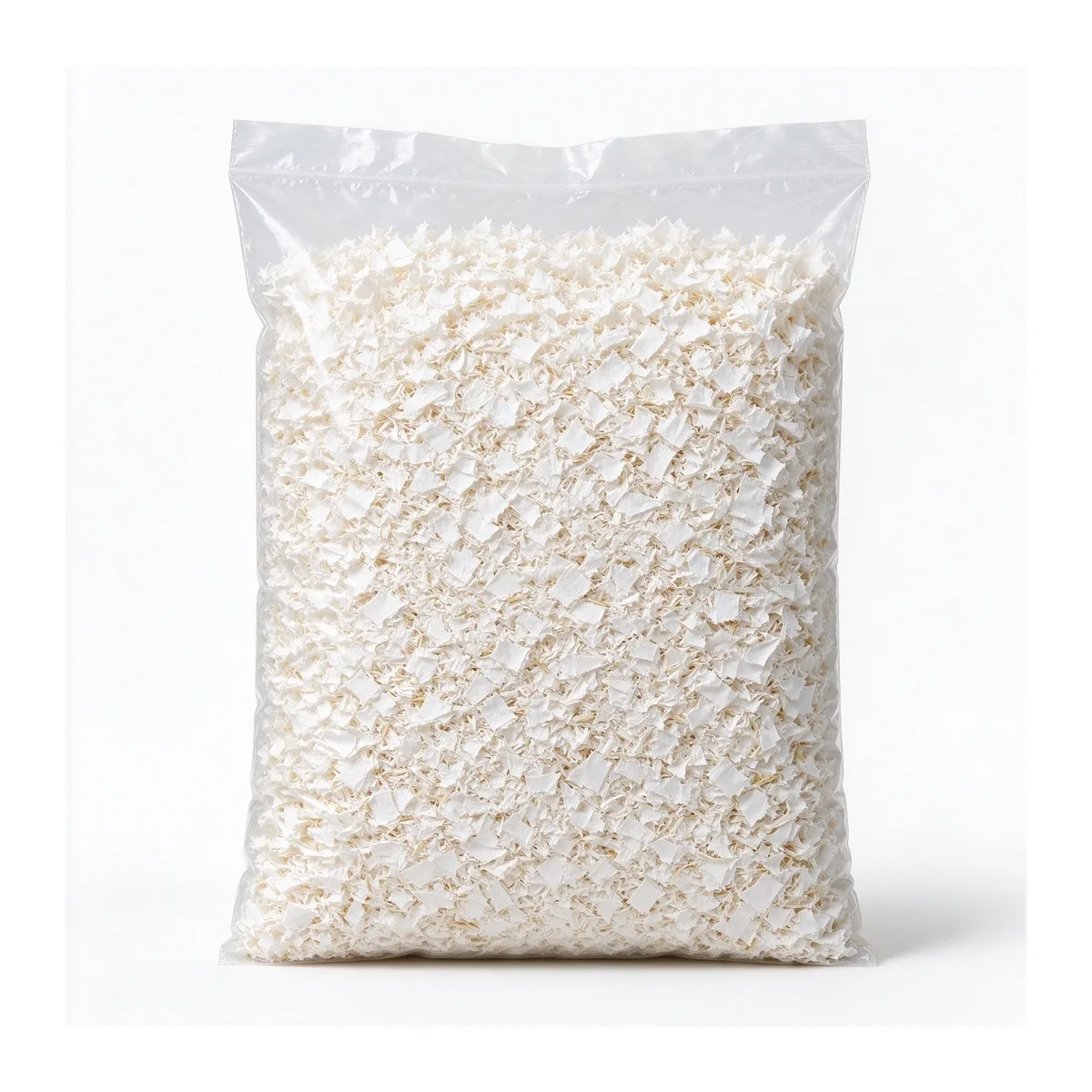
Understanding HS Codes for Hamster Products: Every imported product is classified under a Harmonized System (HS) code, which determines the duty rate. Pet bedding typically classifies under HS code 4823 (other articles of paper), with duty rates of 0-5% across Southeast Asia. Exercise wheels fall under HS code 9503 (toys) or 3924 (plastic household articles), with rates of 5-10%. Ceramic products classify under HS code 6911 or 6914, with rates of 5-15%.
Country-by-Country Duty Rates: Malaysia offers the most favorable import structure at 0-10%, with free trade agreements under ACFTA that can reduce or eliminate duties. Thailand applies 5-10% duties, but food-contact products may require Thai FDA testing ($300-800/category). Indonesia has the highest rates at 5-15% plus 11% VAT. The Philippines applies 5-10% with straightforward clearance. Singapore has the lowest barriers with most products entering duty-free.
Calculating Total Landed Cost: The formula is Product Cost + International Freight + Import Duty + VAT + Customs Clearance Fee + Local Delivery. For a $3.00 ceramic hut shipped to Malaysia: $3.00 + $0.40 + $0.15 + $0.00 + $0.10 = $3.65 total landed cost (22% above FOB price).
How Classification Drives the Duty Bill
The heading on the proforma invoice decides the rate before the goods ever move, so ask for it before the deposit goes out. Bedding sits under 4823, wheels under 9503 or 3924, and ceramics under 6911 or 6914, which means a normal hamster purchase order touches no more than two headings. Check those headings against the tariff schedule of the country you are actually shipping to rather than the country you buy from, because the destination is what sets the rate.
Customs reclassifies shipments when the invoice wording and the goods do not agree. A line that reads “pet accessory” cannot defend a heading, while a line that reads “ceramic hamster hideout, glazed, HS 6911” can. Keep the invoice description, the packing list and the retail label worded the same, since an inspector reads all three before deciding.
A Landed-Cost Worksheet Per SKU
Build one row per SKU instead of one row per order. Give the FOB price, the freight share, the duty percentage for that heading, the VAT rate for the destination, the clearance fee and the local delivery their own columns, then total them into a landed cost. Comparing that total with the retail price you plan to charge keeps the markup honest, and it exposes the lines that absorb freight badly before a container is booked.
Run the worksheet twice: once with the rate your forwarder quoted, and once with the rate that would apply if customs moved the goods up one heading. The second column is the budget you actually need to hold.
Levers That Lower the Duty Legally
- Preferential origin under ACFTA can take a shipment to zero duty, so ask for the certificate of origin with the shipping documents.
- Consolidating several SKUs into one entry spreads the clearance fee across more units.
- Valuation follows the transaction value shown on the invoice, and an unsupported low figure invites an inspection instead of a saving.
- An opening order built from bedding, wheels and toys keeps the first entry inside the lowest rate band.
The Malaysia import guide walks the same calculation for the region’s most common first market, and the Southeast Asia bestseller range shows which SKUs carry the lowest headings in practice.
Documents to Assemble Before Departure
A commercial invoice with descriptions, quantities and unit prices. A packing list with carton counts. A Bill of Lading or Airway Bill. A certificate of origin when a free trade agreement applies. Any lab report that supports a material claim on a food-contact unit. Keep the set in one folder per shipment so a buyer request or an authority query is answered the same day it arrives.
Errors That Cost Real Money
- An invoice line too generic to support the heading claimed for it.
- A country of origin on the label that disagrees with the certificate of origin.
- A packing list whose carton count does not match what arrives at the port.
- A retail price built from the FOB figure alone, with duty and VAT left out of the arithmetic.
- One purchase order mixing several headings with no rate column for each.
Worked through once per SKU, the classification question stops being a surprise at the port and becomes a number you quoted on day one.
Handling a Reclassification Notice
If customs notifies a different heading, ask for the written basis of the decision before paying anything, then compare it with the supplier’s product specification. Where the notice is correct, reprice the landed cost worksheet and tell your retail partner before the next shipment leaves, because the same goods will be classified the same way again. Where it looks wrong, assemble the invoice, the packing list, the label photograph and the specification sheet into one response and let the forwarder file the appeal. A classification argument is won with documents that agree with each other, and lost with a claim that has no paperwork behind it.
Two reference points speed that check up. The Harmonized Tariff Schedule search shows how headings are worded in practice, and the World Customs Organization publishes the international HS structure that the regional schedules are built on.