Product certification is one of the most confusing aspects of importing pet supplies into Southeast Asia. Different countries have different requirements, and the certification landscape changes periodically. This guide demystifies the process.

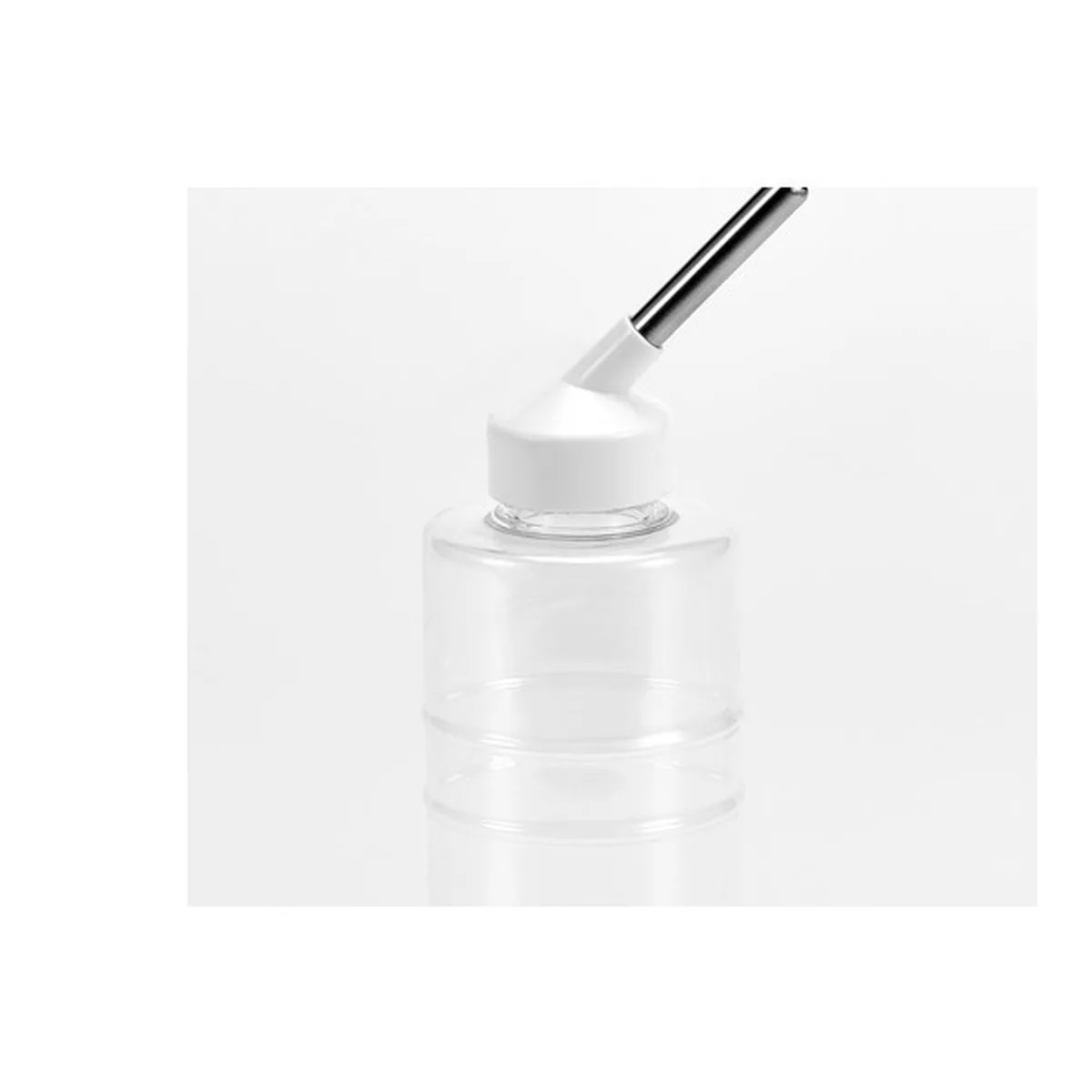
Which Products Need Certification? The general rule: products that touch food or water need more documentation. Bedding, wheels, sand — no certification needed in any Southeast Asian country. Ceramic hideouts — no certification needed but glaze safety documentation recommended. Ceramic food bowls — certification may be required in Thailand (Thai FDA) and Indonesia (SNI). Water bottles — same as bowls.
Thailand: Thai FDA regulates food-contact materials under the Food Act B.E. 2522. Testing at TISI-recognized laboratories costs $300-800 per category, taking 7-14 working days. For your first shipment, focus on non-regulated products to avoid delays.
Indonesia: SNI certification enforced by BSN for certain categories. SNI 06-4851-1998 applies to plastic food containers, SNI 08-5032-1999 to ceramic products. Testing costs $500-1,500 per category, taking 14-30 days. First orders should strictly avoid food-contact categories.
Malaysia: MOH standards under MS 2560, but enforcement is lenient for small orders. Testing available at SGS Malaysia or Intertek KL for $300-800, 7-10 days. Recommended as first market due to relaxed approach.
How to Get Certified: Step 1 — determine which products need certification. Step 2 — contact SGS/Intertek/BV for a quote. Step 3 — send 3-5 samples. Step 4 — receive test report (7-14 days). Step 5 — keep report on file for customs clearance.
Cost-Saving Tips: Test once, use everywhere. SGS/Intertek/BV reports are internationally recognized. Group products by material for combined testing. Start with non-certified products to build your customer base first.
Sorting the Catalogue Into Two Buckets
Open the 13-SKU list and mark every item that touches food or water. Ceramic bowls and water bottles fall into the regulated bucket in Thailand and Indonesia. Bedding, bath sand, wheels, chew toys, wooden toys and litter trays stay outside it in every market covered here. Ceramic hideouts occupy the middle ground, since no certificate is required for them yet glaze safety documentation is worth holding when a retail buyer onboards the line.
That split decides where a first order goes. Start with the unregulated bucket, get the shelf stocked, and bring in the food-contact SKUs once a test report is already in hand.
What a Testing Lab Needs From You
Most delays at this stage come from paperwork that does not match the goods rather than from the laboratory itself. Collect everything on the list below in one package before the courier is booked, since a second sample round costs another 7-14 working days of schedule.
- Three to five production samples per material category, in the exact colour you intend to sell.
- HS code plus destination country, so the lab applies the correct standard.
- Company details for the report header, and product names written exactly as the invoice will show them.
- The enquiry reference, so the quotation and the finished report stay linked.
Turnaround runs 7-14 working days in Thailand, 7-10 days in Malaysia and 14-30 days in Indonesia, which puts the report on the critical path of the order schedule rather than in a task list started after the deposit.
Choosing Where to Test
SGS, Intertek and BV all issue reports that customs and retail buyers recognise across the region. Testing in Malaysia under MS 2560 sits in the $300-800 per category band and pairs with lenient enforcement on small first orders, which makes it the practical place to obtain a first document. Thai testing through a TISI-recognised laboratory occupies the same $300-800 band. Indonesian SNI testing costs $500-1,500 per category and carries the longest schedule, so it usually waits until food-contact SKUs are already selling.
Grouping the Request by Material
Pay per category, not per product. A ceramic bowl and a ceramic hideout share a glaze system, and plastic bottles group together in the same way, so ask the lab at quotation time which products a single report can cover when the samples are submitted as a representative set. Fewer categories means a lower invoice and fewer documents to keep current.
Finding a supplier that already holds test reports removes this step entirely for the first order, and the anti-tip ceramic bowl is the SKU that most often triggers the question.
When Customs or a Buyer Asks for Proof
Forward the report as issued, with the lab header and date visible, and keep the original in the shipment folder next to the invoice, packing list and bill of lading. Point to the page and clause that answers the question rather than summarising it in an email. A referenced PDF closes the query faster than a paragraph of reassurance.
Errors That Force a Re-test
- Changing glaze colour or resin grade after the report was issued.
- Submitting a sample that differs from the bulk production unit.
- Sending a SKU code that does not match the invoice description.
- Letting the report live in a supplier inbox instead of your own folder.
Keep the first order inside the unregulated bucket, file the report the day it arrives, and the second order can carry the food-contact SKUs without waiting on a laboratory.
The framework behind these figures is published rather than private. Thailand’s TISI lists the Thai industrial standards by number, and SGS testing services sets out the food-contact analyses laboratories in the region sell.
Browse our wholesale hamster products. Most need no certification for Southeast Asian markets. Contact us for product-specific compliance guidance.