Malaysia is Southeast Asia’s most accessible market for hamster product imports. With straightforward customs procedures, a large Chinese-Malaysian community driving pet ownership, and high demand for tropical-climate products, Malaysian pet retailers represent the ideal first market for new hamster supplies businesses.
Why Malaysia Is the Best First Market
Malaysia offers several advantages over other Southeast Asian markets. First, customs clearance is relatively straightforward. Most pet accessories do not require special permits or certifications. Second, the Chinese-Malaysian community (about 23% of the population) has high pet ownership rates and is familiar with online wholesale ordering. Third, Malaysia’s tropical climate (30°C+ year-round) creates strong demand for cooling products like ceramic huts and heat-resistant wheels.
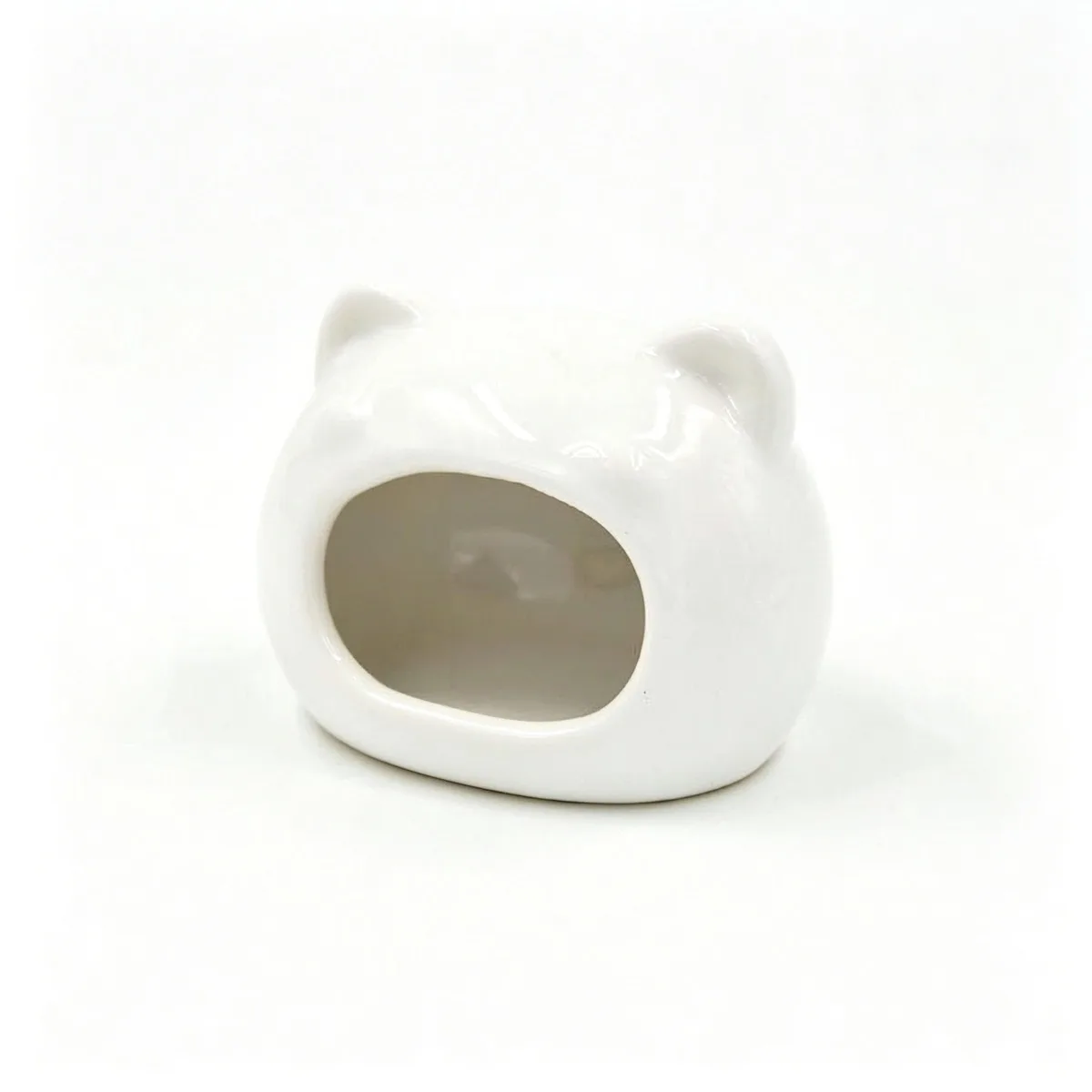
The most popular hamster products in Malaysia are ceramic cooling huts, silent exercise wheels, paper bedding, and drip-free water bottles. These products align perfectly with the tropical climate needs of Malaysian pet owners.
Import Regulations and Customs
Malaysia’s import regulations for pet accessories are among the most relaxed in Southeast Asia. Most hamster products — bedding, wheels, toys, ceramic items — fall under general merchandise and do not require special import permits.
However, there are a few things to note. Products containing food-contact materials (ceramic bowls, water bottles) may need to comply with Malaysian Ministry of Health (MOH) standards under MS 2560. In practice, enforcement is lenient for small initial orders, but you should request material safety documentation from your supplier for your records.
Customs duties on pet accessories are typically 0-10% depending on the HS code classification. Most hamster products are classified under HS code 9503 (toys) or 3924 (plastic household items), both of which have low duty rates.
Shipping Options to Malaysia
There are three main shipping methods for hamster supplies to Malaysia.
Sea freight is the most cost-effective for bulk orders. Shipping from Chinese ports (Shenzhen, Guangzhou) to Port Klang takes 5-7 days. Costs range from $0.50-1.50 per kilogram depending on volume. This is the recommended method for orders over 200 units.
Air freight offers faster delivery at higher cost. Transit time is 3-5 days from Chinese airports to Kuala Lumpur International Airport. Costs range from $3-6 per kilogram. Use this for sample orders or urgent restocks.
Express courier (DHL, FedEx) provides door-to-door delivery in 3-5 days. Costs are $15-30 per kilogram. Best for samples and small orders under 20 kilograms.
Required Documents for Import
For most hamster products, you need the following documents: a Commercial Invoice listing product descriptions, quantities, unit prices, and total value; a Packing List detailing the contents of each carton; and a Bill of Lading (for sea freight) or Airway Bill (for air freight).
Your supplier should provide all of these documents. If you are ordering through a freight forwarder, they will handle the customs clearance process on your behalf.
Top Products for the Malaysian Market
These are the top hamster products for Malaysian pet shops, based on market demand and climate suitability.
Ceramic cooling huts are the number one seller. Malaysia’s 30°C+ temperatures make ceramic products essential. They stay naturally cool and provide comfort for hamsters. MOQ starts at 100 pieces.
Silent hamster wheels (21cm) are highly demanded in Malaysia’s apartment-heavy urban areas. Noise-free operation is a key selling point for apartment dwellers. You can start at a 100-piece MOQ.
Dust-free paper bedding is the preferred bedding type due to its high absorbency in humid tropical conditions. MOQ starts at 100 pieces.
Drip-free water bottles prevent wet bedding, which is critical in humid climates where moisture leads to mold and bacterial growth. The MOQ runs at 100 pieces here as well.
How to Find Malaysian Buyers
The most effective channels for reaching Malaysian pet retailers are WhatsApp (the dominant business communication tool in Malaysia), Facebook Groups (search for Malaysian pet shop owner groups), and Shopee/Lazada seller forums where retailers discuss sourcing.
When reaching out to potential buyers, emphasize tropical-climate suitability, low MOQ for testing, and fast delivery times. Malaysian retailers value reliability and product quality over the lowest price.
Browse our wholesale hamster products or contact us for a quote tailored to the Malaysian market.
A First-Order Template for Malaysia
Combine five lines in one shipment: one hundred ceramic cooling huts, one hundred 21cm silent wheels, one hundred bags of dust-free paper bedding, one hundred drip-free water bottles, and one hundred chew toy sets. The mix clears the per-SKU minimum on every line, reaches the $500 mixed-order total, and covers the categories that move in a tropical market. Sea freight from Shenzhen or Guangzhou to Port Klang runs five to seven days on the water for orders above 200 units, and Southeast Asia door-to-door shipping runs 7-15 business days with customs handled; add 15-25 working days of production before dispatch. Keep the commercial invoice, packing list, and transport document together from day one so nothing has to be rebuilt at the port.
Documents to Send Your Forwarder on Arrival
Email the commercial invoice, packing list, and airway bill or bill of lading as one message with the HS codes listed per line, and keep the material safety files from the factory attached for food-contact items. Forwarders who receive a complete pack quote faster and make fewer assumptions, and incomplete packs are where delays start. Two references are worth bookmarking beside that file: regional trade arrangements under the ASEAN economic community affect how duties are applied over time, and customs practice published by the World Customs Organization explains how member administrations treat classification disputes. Neither replaces your forwarder, but both help you understand the answers you are given.

Working Out Landed Cost Before Quoting a Retail Price
Add product cost, international freight, import duty, clearance, and local delivery before a shelf price is decided. Duty on hamster lines typically sits between 0 and 10% depending on the HS heading, and ACFTA terms can reduce it further for qualifying shipments. A ceramic hut carried at three dollars lands around three dollars sixty-five after freight, duty, and clearance, and that figure is what your markup should start from instead of the factory price. Ask the forwarder for a written breakdown on the first shipment and reuse it for every later quote; landed cost is arithmetic, and guessing it once contaminates every price that follows. The ceramic cooling hut is the SKU where that gap between factory price and shelf price matters most, because it carries the strongest story of the range. Country-by-country rates and heading notes are collected in the import tax guide if a buyer questions your landed figure.