
Southeast Asia’s pet care market has grown at double-digit rates for five consecutive years, and hamster supplies are one of the fastest-growing subcategories. Here’s what retailers need to know about the 2026 market.
Market Size and Growth
The Southeast Asian pet care market is projected to reach $250 billion by 2030. Hamster ownership is rising fastest in urban areas—Bangkok, Jakarta, Manila, Kuala Lumpur, and Ho Chi Minh City—where small apartment living makes hamsters ideal pets. Social media (TikTok, Instagram) drives awareness, with hamster care videos generating millions of views.
Top-Selling Product Trends
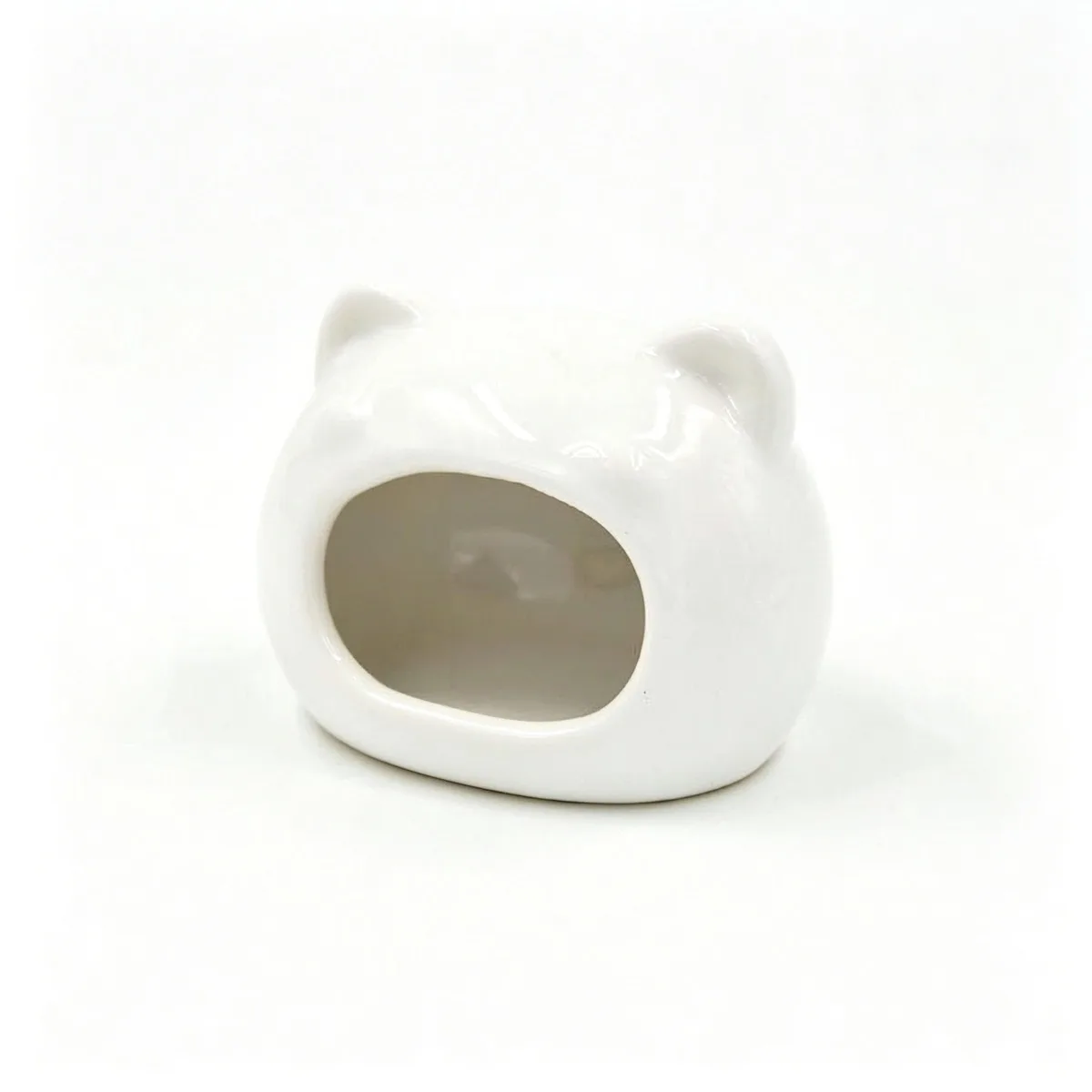
Cooling products dominate in tropical climates. Ceramic cooling huts, volcanic bath sand, and heat-resistant wheels are the top three growth categories. Silent wheels are now expected rather than premium. Retailers who don’t stock them lose sales to competitors. Eco-friendly bedding (recycled paper, hemp) is gaining traction among younger consumers.
Pricing and Consumer Behavior
Southeast Asian consumers are price-sensitive but willing to pay a premium for perceived quality. The sweet spot for accessories is $5-15 retail. Products above $20 need strong branding and clear value propositions. Bundle pricing (starter kits) performs 30% better than individual product displays.
Distribution Channels
Three channels dominate: (1) Modern pet retail chains—growing fast in Thailand and Vietnam. (2) Online marketplaces—Shopee and Lazada account for 35-45% of small pet accessory sales. (3) Independent pet shops—still the majority by count, but losing share to chains and online.
Country Highlights
Malaysia: Most accessible market, straightforward customs, large Chinese-Malaysian community. Thailand: Growing middle class, strong social media influence on pet purchases. Indonesia: Largest population, price-sensitive but volume potential enormous. Philippines: Fast-growing market, English-speaking business environment. Singapore: Premium market, highest per-capita spending on pets.
Opportunities for 2026
Localized products (translated labels, metric sizing) outperform generic imports. Cooling products see 40-60% seasonal spikes during hot season (March-May). OEM/white-label partnerships with local brands offer high-margin expansion opportunities. Cross-border e-commerce (Shopee/Lazada) is reducing barriers to entry for new brands.
Conclusion
Southeast Asia is the world’s fastest-growing hamster supplies market. Retailers who stock climate-appropriate products, price competitively, and embrace omnichannel distribution will capture the lion’s share of this growth.
Browse our tropical climate hamster products — cooling ceramics, heat-resistant wheels and digital thermo-hygrometers with external probes — or contact us for Southeast Asia wholesale pricing.
What Retailers Should Stock Differently in 2026
Three adjustments separate a current assortment from a 2023 one. Silent operation is the default expectation for wheels, so a noisy budget model now competes against the customer phone in their hand rather than against other wheels on the shelf. Cooling has moved from seasonal curiosity to year-round category, which puts ceramic hideouts and volcanic bath sand on the permanent shelf instead of the March display. Monitoring sells alongside care: a digital thermometer hygrometer sits at the checkout as the accessory that proves the humidity problem the bedding is solving. Rebuild the shelf in that order and the price ladder follows.

Reading Country Differences Without Generalising
The five markets in this guide respond to different pressure points. Malaysia clears imports with the least friction and duty can sit in the 0-10% band, which rewards a broad first assortment. Thailand pairs a growing middle class with food-contact testing that costs a few hundred dollars per category and takes a week or two, so non-regulated lines lead that entry. Indonesia carries the largest population and the highest duty band at 5-15% plus VAT, which makes local price points decisive. Business in the Philippines runs in English with straightforward clearance, while Singapore skews premium and rewards branded presentation. Pick one country for the first container and learn its paperwork properly instead of sampling four at once.
Regional integration still matters for anyone expanding past a single border. Updates under the ASEAN economic community programme are the fastest way to notice when duty treatment or standards recognition is about to shift, and the timing of that notice decides whether a shipment clears smoothly or waits.
A Practical Test for Any New Product Trend
Before adding a trend SKU, run it through four questions. Does it solve a problem your customers already describe, heat, humidity, noise, or odor? Can it be explained on a shelf tag in one sentence? Does it fit the $5-15 retail sweet spot where most accessory purchases happen? Will it still sell in the slow months after the social media wave passes? A trend that clears all four becomes a shelf fixture. One that fails the second question stays a demo you can drop after a single order.
Planning the Year in Two Peaks
Build the buying calendar around two demand bumps. Hot season from March to May lifts cooling products by 40-60%, which means ceramic huts and bath sand should land in stock by late February. The November to December period concentrates starter kit purchases, so bundles should be assembled and priced before mid-November instead of assembled on the shelf in December. Between the peaks, reorder cycles for bedding and chew toys keep cash moving and shelf space honest. Two peaks plus steady consumables is a simpler calendar than chasing every viral moment.
Where Marketplace Selling Fits
Shopee and Lazada still account for a large share of small pet accessory sales, and they work best as a discovery channel rather than the whole business. List the consumables where price comparison happens, keep bundles and premium ceramics for your own storefront or shop floor where the story can be told, and use marketplace reviews as evidence when you pitch independent retailers. The channels reward different merchandising, so copying one listing strategy across both wastes the advantage of each.