A well-organized hamster section can generate 12-18% of a small pet store’s revenue. This guide covers everything from product selection to display strategy, helping Southeast Asian retailers build a hamster section that sells.
Core Product Categories
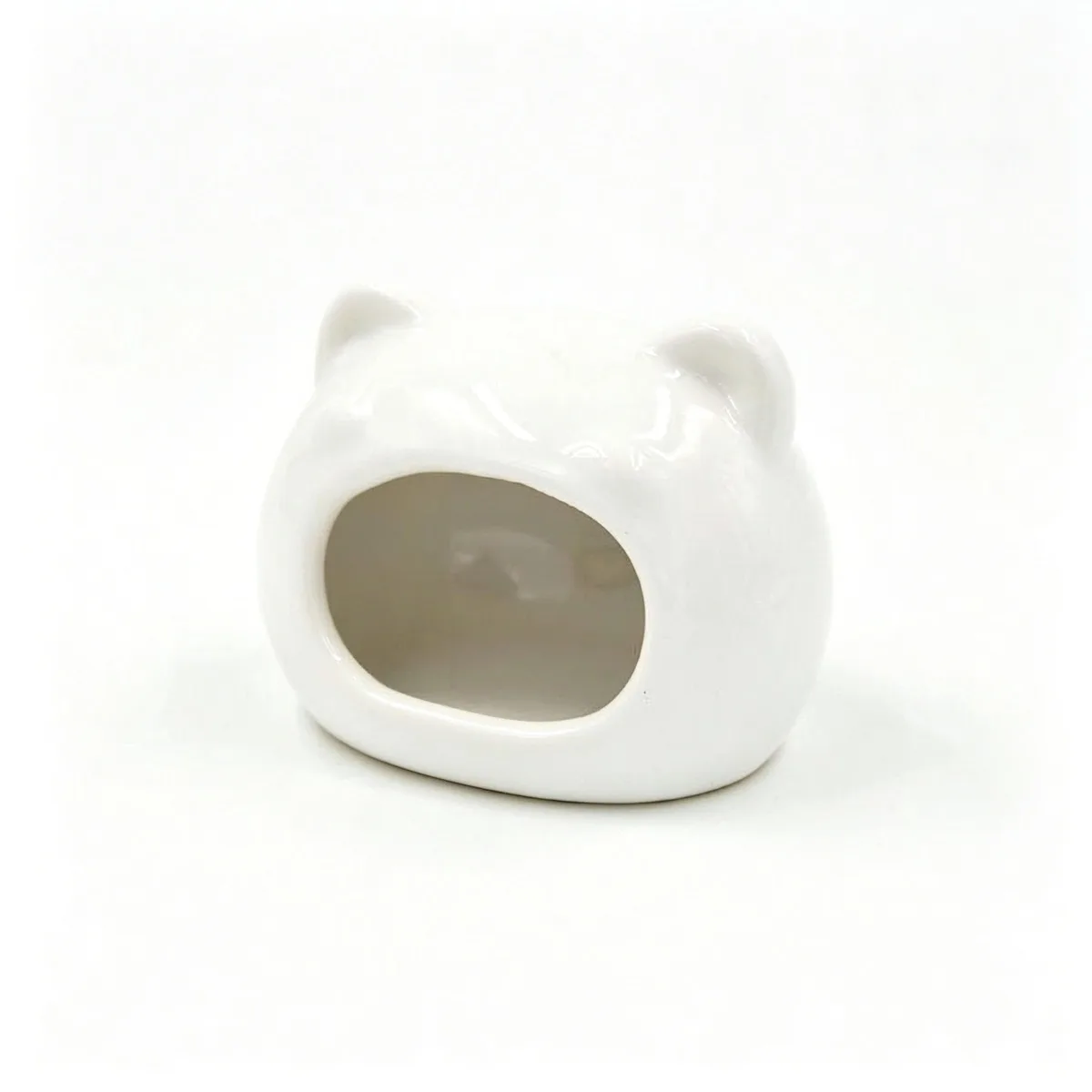
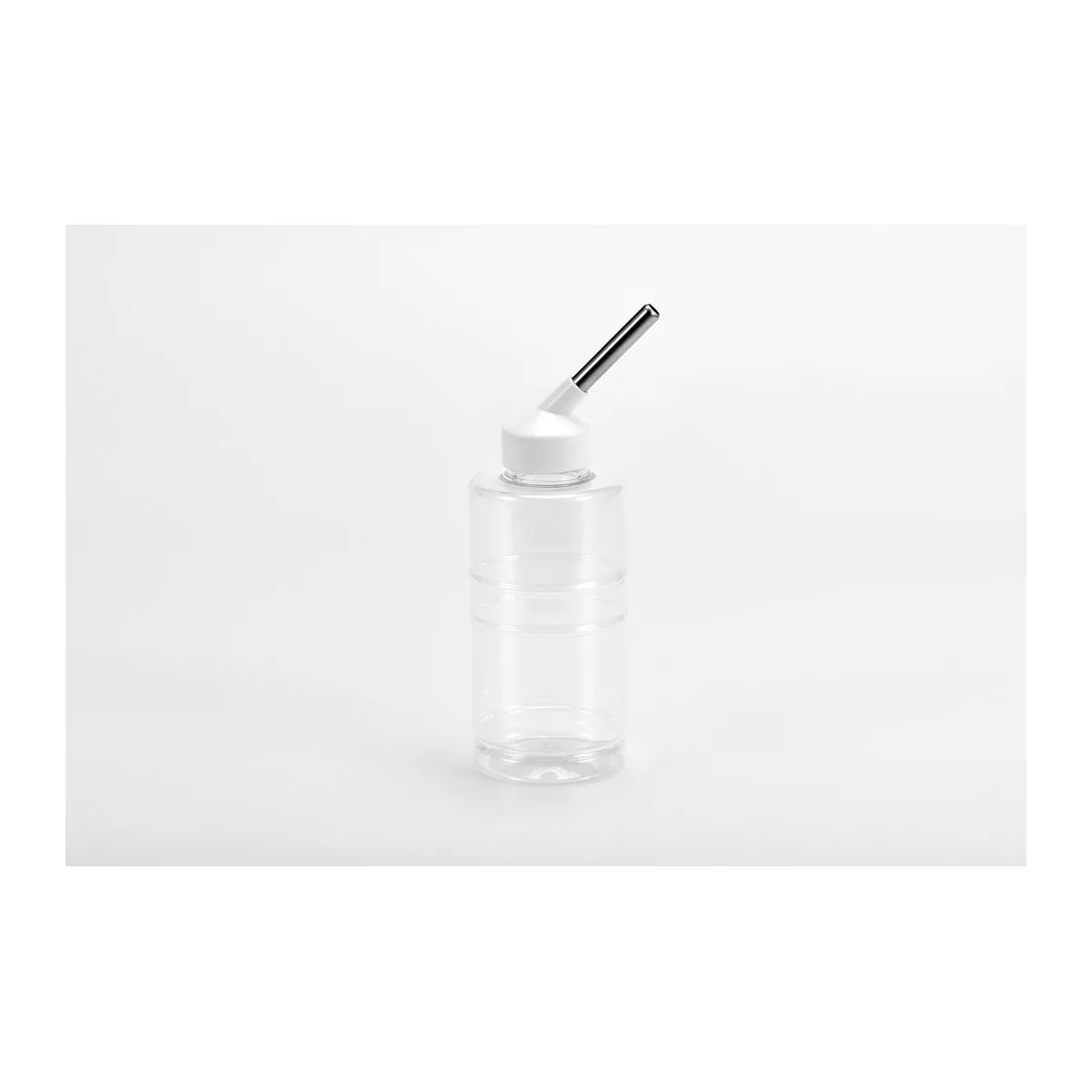
Stock five essential categories: (1) Habitats—ceramic hideouts, wooden houses, coconut shells. (2) Bedding—paper, aspen, and sand options. (3) Exercise—silent wheels in two sizes. (4) Feeding—anti-tip bowls and drip-free water bottles. (5) Enrichment—chew toys, tunnels, and bath sand. Aim for 11-15 SKUs total.
Display Strategy
Use the “eye level is buy level” principle. Place your best-selling ceramic cooling hut at 48-60 inches height on the endcap. Position bedding bags at waist level (30-48 inches). They’re heavy and customers need to reach them easily. Hang water bottles and small accessories on pegboard at hamster eye-level for visual appeal.
Creating Starter Kit Bundles
Bundle a ceramic hideout, wheel, water bottle, and bedding bag into a “Hamster Starter Kit” with a 10-15% discount versus individual purchase. This increases average transaction value by 25-40% and simplifies the buying decision for first-time owners. Use a branded basket or box for presentation.
Pricing Strategy
Apply keystone markup (cost × 2) as your baseline. Premium items like ceramic huts can sustain × 2.5-3 markup. Commodity items like bedding may need × 1.8-2 to stay competitive. Always show a “Compare at” price to anchor perceived value. Offer a 5-10% discount on bundle purchases.
Staff Training Essentials
Train your team to answer three questions in under 60 seconds: (1) “What does a hamster need on day one?” (2) “Which wheel size is right for my hamster?” (3) “How often should I clean the cage?” Print a one-page cheat sheet and tape it behind the register.
Signage and Information
Clear signage reduces customer confusion and increases sales. Use signs that answer common questions: “Which cage size do I need?” “Is this bedding safe for dwarf hamsters?” “Best Seller” and “Staff Pick” tags increase conversion by 15-20%.
Tropical Climate Considerations
In Southeast Asia’s 30°C+ climate, prioritize cooling products. Position ceramic huts and volcanic sand prominently during hot season (March-May). Create a “Tropical Essentials” display grouping all heat-resistant products together.
Conclusion
A strategic pet shop hamster section setup turns browsers into buyers. Focus on core products, smart display, bundle pricing, and staff training to maximize revenue per square foot.
Browse our wholesale hamster products for your pet shop, or contact us for bulk pricing on starter kit bundles.
An 11-SKU Opening Plan
Eleven SKUs cover a small section without crowding it. Two ceramic hideout designs, one wooden hideout, dust-free paper bedding in 1kg, volcanic bath sand in 500g, silent wheels in 21cm and 17cm, an anti-tip ceramic bowl, a 250ml drip-free water bottle, apple wood chew toys, and a corner litter tray. Each one has a job in the starter-kit conversation, and each one sits under the same wholesale rule of 100 pcs per SKU with mixed orders welcome to a $500 total, so the section opens without eleven separate minimums. The ceramic cooling hut and the anti-tip bowl are good anchors for that first mix. Stock the bedding deeper than the rest because it repeats, and hold the remainder at twenty to thirty pieces until your own sales data disagrees.
Merchandising the Four Zones
Lay the shelf out the way a cage is laid out, and customers read the assortment without asking. Left to right: rest with the hideouts, substrate with bedding and sand, exercise with wheels, then feeding with bowls and bottles, with enrichment hanging above. Keep the toilet tray next to the bedding rather than with the wheels, because shoppers buy it to solve an odor complaint and the adjacency reminds them. Hang bottles on pegboard at the height a hamster would reach, and let one display cage demonstrate the finished setup with every zone visible. A complete cage in a box is easier to sell than a pile of parts.
Before the display commits to one supplier, request lab reports for the food-contact pieces you plan to feature. Reports from SGS testing services are one format buyers accept without argument, and having the PDF ready shortens any question a careful shopper asks at the counter.
Questions That Should Answer Themselves on the Shelf
Print short cards for the four questions staff answer every day. Which wheel size: Syrian 21cm, dwarf 17cm, chinchilla and rabbit 30cm. Which bedding for humidity: dust-free paper absorbs three to four times its weight and avoids the phenols in softwood shavings. How often to clean: full change every 5-7 days at 30°C+ with daily spot cleaning. Why ceramic in summer: a glazed hut stays 3-5°C below room temperature through the afternoon peak. Each card runs two lines, and together they remove the hesitation that stalls a first purchase.
Training Staff With a One-Page Sheet
Behind the register, keep one page that covers the day-one basket, wheel sizing, cleaning cadence, and bundle price. New staff answer the opening question inside a minute after reading it twice, and the same sheet doubles as a restock note because it lists every SKU in the section. Review the sheet whenever a product changes price or a new item lands. A stale sheet teaches wrong prices faster than a missing sheet teaches hesitation.