
Finding a reliable supplier in China can feel overwhelming. There are thousands of factories producing pet accessories, and quality varies dramatically. A bad supplier costs far more than a good one saves.
Where to Find Suppliers: 1688.com (China domestic, 20-40% cheaper, Chinese language), Alibaba.com (English export platform, Trade Assurance protected, beginner-friendly), and Trade Shows (Canton Fair, Pet Fair Asia — meet suppliers in person).
The 8-Step Vetting Process: (1) Verify business legitimacy — request business license, export license, factory registration. (2) Assess product quality — always order samples, test material safety and durability. (3) Request test reports from SGS/ITS/BV. (4) Evaluate production capacity — monthly output, lead times, scalability. (5) Check communication — response time within 24h, English proficiency. (6) Review pricing — compare 3-5 suppliers, beware prices 30%+ below market. (7) Request client references. (8) Start with trial order of 50-100 pcs per SKU.
Red Flags: Refusal to provide test reports. Prices changing after sample approval. No physical address or factory photos. Pressure to pay via Western Union. Unwillingness to sign contracts. Quotes 30%+ below competitors.
Building Long-Term Relationships: After 2-3 successful orders, negotiate extended payment terms (30/70), priority production scheduling, and exclusive product development. Chinese suppliers value loyalty and consistent volume over one-time large orders.
Where Each Sourcing Channel Works Best
Alibaba suits a first order because Trade Assurance holds payment until the goods are confirmed and the platform is built around an English enquiry flow. 1688 sits 20-40% below export pricing but assumes Chinese-language negotiation and domestic payment, so it only becomes attractive once you have a trusted agent or your own team on the ground. Trade shows remove the screen entirely: at Canton Fair or Pet Fair Asia you can put a wheel in your hand, ask for the export licence, and compare three booths in an afternoon.
Building a Shortlist Before Contacting Anyone
Write the SKU list first, then search for factories that already make that category instead of general trading companies. Keep three to five candidates per SKU, note how long each profile has been active and whether it shows a factory address, and send the identical enquiry to all of them so the answers can be compared line by line. A reply inside 24 hours is the first signal, and a reply that repeats your question instead of answering it is the second.
Documents to Request in the First Reply
Ask for the paperwork in the same message that asks for price. A supplier willing to attach it once will attach it again for every order, and a supplier who deflects this request will deflect it after the deposit too.
- Business licence, export licence and factory registration.
- A recent third-party test report from SGS, ITS or BV.
- Monthly output and standard lead time for the SKU.
- Photographs of the production line and the packing area.
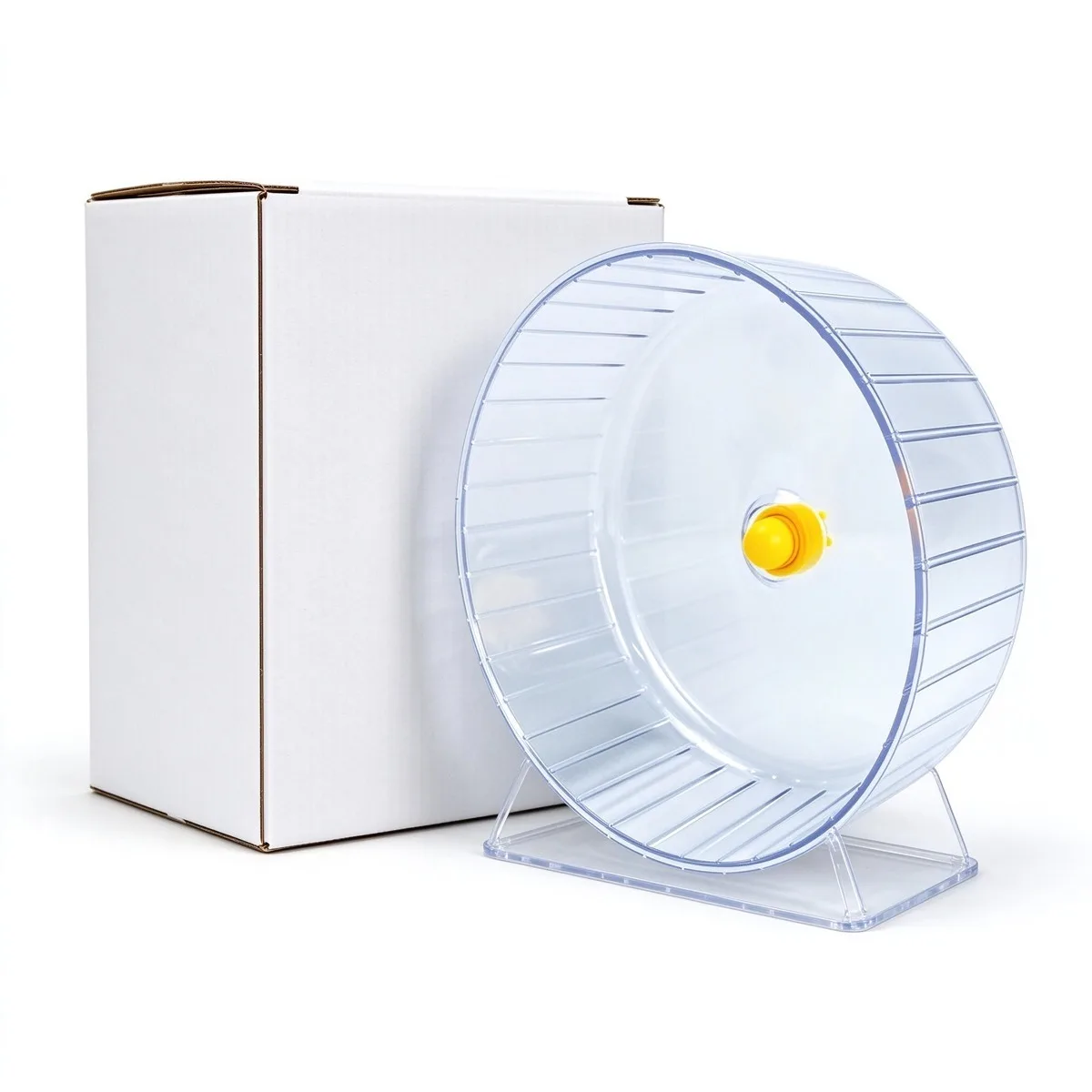
The eight-step evaluation guide expands each of those checks, and the 21cm silent wheel is a useful benchmark SKU because bearing noise separates factories instantly.
Reading a Quotation Properly
Compare unit prices across three to five suppliers on the same specification, and treat any quote more than 30% below the group as a prompt to ask what changed: material grade, wall thickness, bearing type or packing. Confirm that the price is stated as FOB, that the carton quantity is the factory standard rather than a temporary figure, and that samples are charged at wholesale price plus shipping. A quotation that answers all three points is usually worth pursuing.
The Trial Order
Start at 50-100 pcs per SKU and inspect the units on arrival against the sample you approved. Check colour, weight, bearing noise, glaze coverage and carton labelling, then record every difference in writing with photographs attached. The way a supplier handles that message says more about the next two years of cooperation than the quote ever will.
Turning a Trial Into Terms
After two or three clean orders the conversation moves to 30/70 payment terms, priority production scheduling and development of an exclusive variant. Consistent reorder volume carries more weight with a Chinese factory than a single large order, so a predictable recurring quantity is a stronger negotiating position than a one-off spike. Keep the relationship anchored to a written specification and the same contact person, because those two things are what keep quality steady when capacity gets tight.
Keeping Records Between Orders
Start one folder per supplier and hold the licence documents, test reports, approved sample photographs, signed specification, quotations and every inspection note inside it. Add the production photographs from each shipment as they arrive, because a pattern only becomes visible when three or four orders sit side by side. When a problem repeats, the folder shows whether it started at sample stage or at packing stage, and that distinction decides whether you renegotiate the specification or change the container. Suppliers notice a buyer who references a document rather than a memory, and the conversation stays factual because both sides are reading the same file.
A third-party report is the document that separates a factory from a reseller. SGS testing services lists the analyses behind such a report, and ISO publishes the management standards that serious suppliers are often certified against.
Browse our wholesale hamster products from verified suppliers, or contact us for supplier vetting guidance.