
Choosing the right shipping method can make or break your profit margin when importing pet supplies from China to Southeast Asia. This guide compares every major option with real costs and timelines.
Express Courier (DHL/FedEx/UPS): 3-5 business days, $8-15/kg. Use exclusively for urgent samples and orders under 20kg. A 5kg sample package costs $40-75 in shipping.
Air Freight: 5-10 business days, $3-6/kg. Recommended for first orders and small-to-medium shipments (50-500 units). Through logistics companies like 4PX or Yanwen, which handle customs clearance as part of their service.
Sea Freight: 15-25 days, $0.50-1.50/kg. Viable for orders exceeding 500 units or 200kg. Requires a freight forwarder for LCL container space and port customs clearance.
Decision Framework: Samples (under 10kg) → express courier. First bulk (100-500 units) → air freight for speed-to-cost balance. Repeat orders (500+ units) → sea freight for maximum savings.
Packaging Tips: Ceramic products need individual foam-wrapping with 3cm cushioning. Plastic products need standard poly bag packaging. Paper products need vacuum-sealed moisture-barrier bags for sea freight.
Reducing Costs: Consolidate orders to spread fixed costs. Negotiate 5-15% volume discounts after 3-5 shipments. Use FOB terms for large orders with your own freight forwarder. Plan ahead to use sea freight instead of last-minute air freight.
Reading Your Order Stage First
The three options answer three different questions. Express courier buys speed for a package that has to move today. Air freight buys a workable balance of speed and cost for a first bulk order that must reach shelves inside the quarter. Sea freight buys the lowest cost per kilogram for a repeat order planned four weeks ahead. Fix the order stage before looking at the rate table, otherwise the comparison collapses into price alone.
What Each Method Does to Packaging
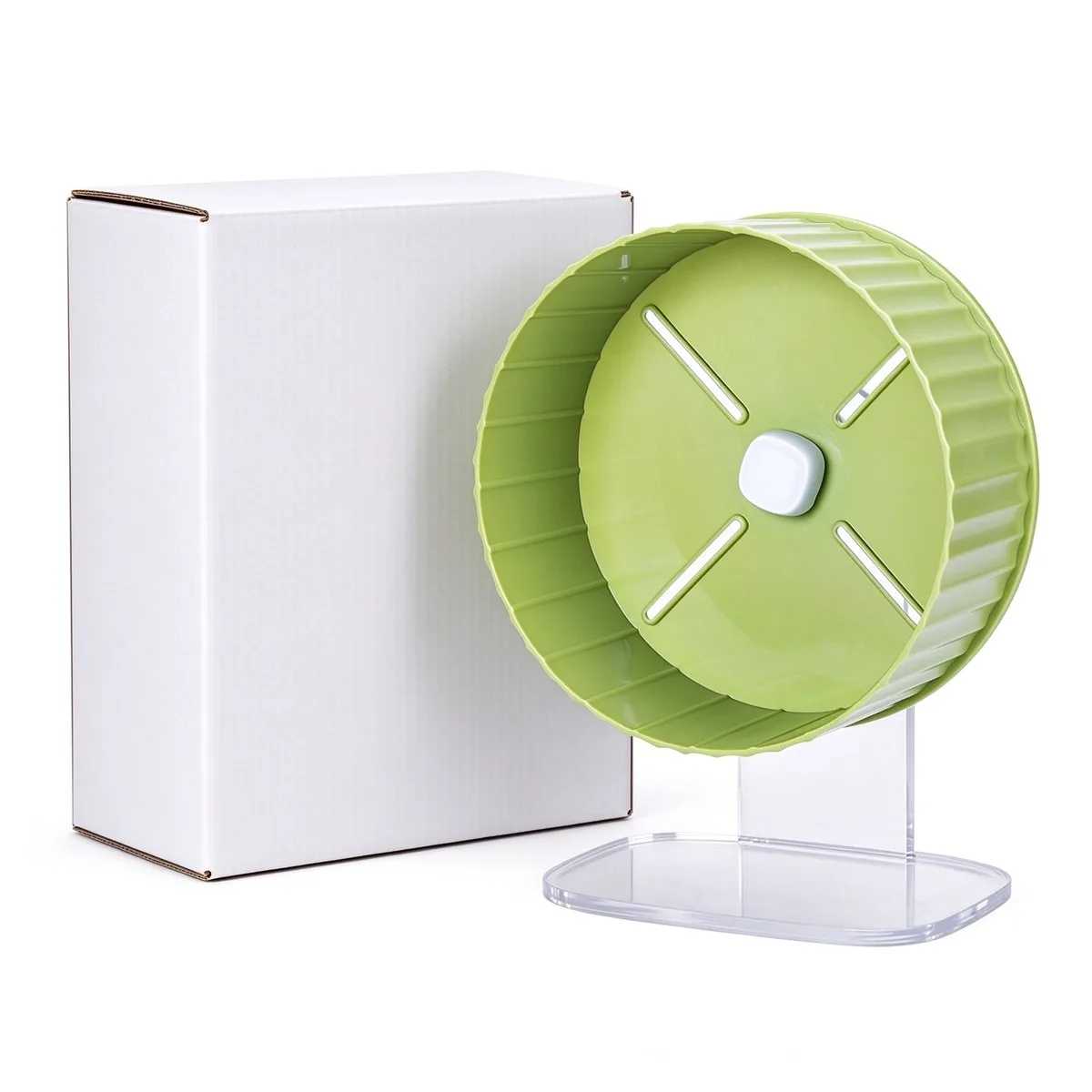
Express moves individual parcels, so a 5kg sample run only needs the standard poly bag inside a sturdy outer. Air freight moves cartons with light handling, which suits the 20-piece wheel cartons and the 12-piece ceramic hut cartons as they leave the factory. Sea freight adds weeks of humidity and stacked weight on top of that, so paper bedding travels in vacuum-sealed moisture-barrier bags and ceramics get foam wrapping with about 3cm of cushioning before loading.
A Worked Comparison on One Repeat Order
Take a 200kg repeat order, which is the size where sea freight starts to make sense on its own. At express rates of $8-15/kg the freight bill runs $1,600-3,000. At air rates of $3-6/kg the same weight costs $600-1,200. At sea rates of $0.50-1.50/kg it costs $100-300. The gap between air and sea is the price of planning four weeks ahead, and it is the largest single saving available on a repeating line.
Documents the Forwarder Will Ask For
A commercial invoice, a packing list, and a Bill of Lading for sea or an Airway Bill for air. Your supplier issues all three, and the forwarder files them for customs clearance. On an air shipment through 4PX or Yanwen the clearance step is part of the service, while sea LCL still needs a forwarder to book the container share and handle the port entry.
The import tax guide covers the duty and VAT columns that sit behind the freight figure, and dust-free paper bedding is the line where vacuum sealing earns its cost on a sea leg.
Cutting Cost Without Slowing the Shelf
- Consolidate several SKUs into one booking so fixed clearance costs spread across more units.
- Move the repeat order onto sea four weeks out instead of pushing it through air at the last minute.
- Negotiate the 5-15% volume discount once three to five shipments are on record.
- Keep carton dimensions consistent across the wheel line so pallets stack cleanly.
When Express Still Wins
Sample runs ahead of a first bulk order, a replacement for a damaged unit, and launch dates that cannot move. Outside those three cases the framework in this guide holds: samples under 10kg go express, the first bulk order of 100-500 units goes air, and repeat orders of 500 units or more go sea.
Plan the method into the purchase order rather than deciding it at the warehouse door, since freight chosen on the day of dispatch is always the expensive option on the sheet.
Splitting One Order Across Two Methods
Splitting is normal when a launch date and a stock target disagree. Send the hero SKUs and the sample units by air to cover the first weeks of demand, then move the volume lines by sea behind them. The rule that keeps the maths honest is that the air leg must carry only what sells before the sea leg lands; anything else pays express rates for goods that could have waited. Give the forwarder both legs in one booking where possible, since the shared commercial invoice and packing list then cover the whole order and the customs entry stays simple on arrival.
Customs procedure sits behind every one of those timelines. The World Customs Organization publishes the standards that govern how goods are declared, and a quick look at the Harmonized Tariff Schedule search confirms which heading your carton carries before the booking is made.
Browse our wholesale hamster products with production 15-25 days and shipping 7-15 days to Southeast Asia, or contact us for a shipping quote.